The business landscape of 2026 has undergone a seismic shift. For over a decade, the Silicon Valley mantra was "blitzscaling": prioritizing massive, rapid growth over efficiency, profitability, and often, common sense. Founders were encouraged to burn through venture capital to capture market share, with the promise that profits would "eventually" follow.
That era is over. Today, the most resilient and successful companies are those that prioritize "Profit-First" automation. Instead of chasing growth at all costs, modern founders are building lean, automated systems that ensure profitability from the very first transaction.
At Nepatech Solutions, we’ve watched this transition firsthand. The startups and small businesses that thrive in today’s capital-tight environment aren't the ones with the largest headcounts; they are the ones with the most efficient operations. This guide explores why blitzscaling has failed the modern founder and how you can implement a profit-first strategy using digital support and intelligent automation.
The Myth of Blitzscaling in 2026
Blitzscaling was designed for a world of "cheap money" and winner-take-all markets. It assumed that if you grew fast enough, you could ignore operational waste and inefficiency. However, the reality for most small businesses and remote-first startups is far different.
In a globalized, AI-driven economy, speed is no longer a sustainable moat. If you scale a broken process, you simply scale your losses. We see this often when companies hire rapidly without setting up proper CRM systems or standard operating procedures (SOPs). The result isn't dominance; it’s operational chaos.
Modern founders are realizing that "lean" isn't a limitation: it’s a competitive advantage. A lean company is agile, profitable, and less dependent on external funding. By focusing on automated workflows, businesses can achieve the same output as a blitzscaling competitor with a fraction of the overhead.
The Profit-First Paradigm: Sales – Profit = Expenses
Most traditional business models follow a simple, yet flawed, formula: Sales – Expenses = Profit. Under this logic, profit is an afterthought: whatever is left over after the bills are paid.
The "Profit-First" strategy, popularized by Mike Michalowicz and adapted for the automated era, flips this equation: Sales – Profit = Expenses.
In this model, you pre-determine your profit margin and take it off the top of every dollar of revenue. Whatever remains is your budget for operating expenses (OpEx). This forces a healthy constraint on the business. If you don't have enough money in the OpEx bucket to hire a new full-time employee, you don't hire. Instead, you look for ways to automate the task or use reliable remote support.

Automation as the Force Multiplier
In the past, running a "Profit-First" business required intense manual accounting and constant discipline. In 2026, technology does the heavy lifting. Automation is the engine that allows you to maintain lean operations while still achieving significant growth.
1. Automated Financial Guardrails
Modern fintech tools and banking integrations now allow founders to automate their Profit-First allocations. Every time a client pays an invoice, a percentage is automatically swept into dedicated accounts for profit, taxes, and owner pay. This ensures that the business defaults to profitability without the founder having to touch a spreadsheet.
2. CRM and Pipeline Efficiency
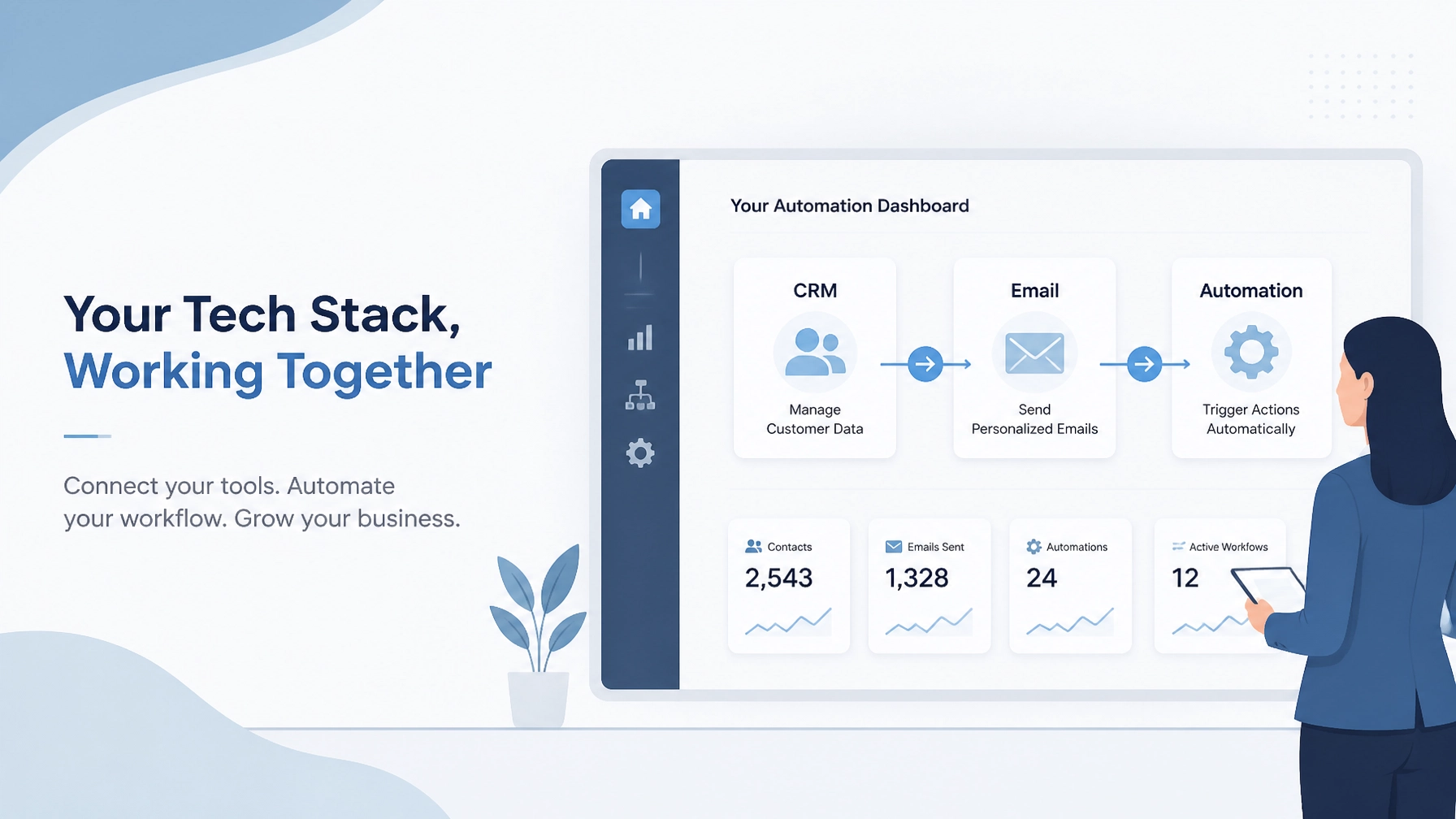
A significant portion of operational waste happens in the sales pipeline. Leads fall through the cracks, follow-ups are missed, and data entry eats up hours of expensive time. By implementing end-to-end CRM management, businesses can automate the entire customer journey. This reduces the need for a large sales operations team and ensures that every lead is maximized for ROI.
3. Systematized Operations
Profit-first companies don't just "work harder"; they work systematically. This involves creating clear SOPs and using process automation tools to handle repetitive tasks. When your systems are automated, your "Expenses" bucket stays small, leaving more room for "Profit."
Building Your Lean, Profit-First System
Transitioning from a growth-at-all-costs mindset to a profit-first strategy requires a tactical approach. Here is how we help our clients at Nepatech Solutions build these systems:
Step 1: Audit and Eliminate
Before you can automate, you must simplify. We recommend a full audit of your current tech stack and operational workflows. Many companies are paying for redundant software or "zombie" subscriptions that provide no value. By leaning out your expenses first, you create a baseline for profitability.
Step 2: Implement "Agentic" Workflows
In 2026, we have moved beyond simple "If This, Then That" triggers. Modern automation involves agentic workflows: where AI tools can execute multi-step goals across different platforms. For example, an automated system can ingest a lead, research the company, update the CRM, and draft a personalized outreach email for your virtual assistant to review.
Step 3: Centralize Your Operations
To maintain a lean team, you need a single source of truth. Whether it's HubSpot, Zoho, or a custom-built dashboard, centralizing your CRM and project management is vital. This prevents "information silos" and ensures that your remote team can operate with peak efficiency.

The Role of Lean Teams and Remote Support
A common misconception is that "lean" means doing everything yourself. In reality, profit-first founders know when to delegate. The key is to delegate to scalable, flexible resources rather than high-overhead, in-house staff.
This is where Virtual Assistant Support becomes a strategic asset. A professional VA, backed by the right automation tools, can handle the workload of three traditional employees. Because these roles are flexible, you can scale your support up or down based on your current revenue and profit targets.
By combining AI automation with expert remote support, you create a "bionic" business. You have the capabilities of a large corporation with the lean overhead of a startup. This is the ultimate goal of the Profit-First Automation Strategy.

Sustainable SEO: The Profit-First Approach to Marketing
Marketing is often the largest expense for companies trying to blitzscale. They pour money into expensive PPC ads and social media campaigns with diminishing returns.
A profit-first marketing strategy focuses on organic growth and SEO. While it takes longer to build, expert SEO support creates an asset that generates leads for years without an ongoing ad spend. By optimizing your site’s performance and keyword strategy, you lower your Customer Acquisition Cost (CAC) and increase your overall profit margins.
Why Wait to Be Profitable?
The old way of thinking: "I'll worry about profit once we hit $X million in revenue": is a trap. Many companies hit that revenue target only to find they have built a monster that requires even more capital just to survive.
By adopting a Profit-First Automation Strategy today, you are building a business that is inherently sustainable. You are choosing to focus on measurable results, streamlined workflows, and long-term scalability.
Whether you need to overhaul your CRM, automate your daily operations, or find the right remote support, the goal should always be the same: maximizing your freedom and your bottom line.
Ready to Lean Out and Scale Up?
If you're tired of the "growth-at-all-costs" treadmill and want to build a more profitable, automated business, we’re here to help. At Nepatech Solutions, we specialize in creating the digital infrastructure that modern founders need to focus on what matters most.
Request a free quote today and let's start building your profit-first future.