For the last few years, the "remote office" has been little more than a collection of calendar invites and Slack notifications. We’ve operated in a transactional cycle: schedule a meeting, join a link, talk for 30 minutes, and disappear back into our individual silos.
This model is breaking. For modern startups, the friction of "link-hopping" and the lack of spontaneous coordination are becoming major bottlenecks to scalability.
Enter the Persistent Virtual Workspace: the "Digital HQ." Unlike traditional video conferencing, these platforms are always on, creating a continuous environment where team presence and project context never expire. In 2026, this isn't just a trend; it’s the operational standard for high-growth, remote-first teams.
The Problem with the "Transactional Office"
Traditional remote work relies on episodic communication. You are either "on a call" or you are invisible.
This creates a hidden overhead. When a quick question arises, instead of leaning over a desk, you send a Slack message that might sit for an hour, or you schedule a 15-minute Zoom that inevitably kills 30 minutes of focus time.
The result is a fragmented culture and a slow sales pipeline. Information gets trapped in private DM threads, and the "pulse" of the company becomes impossible to feel.

What Exactly is a Persistent Virtual Workspace?
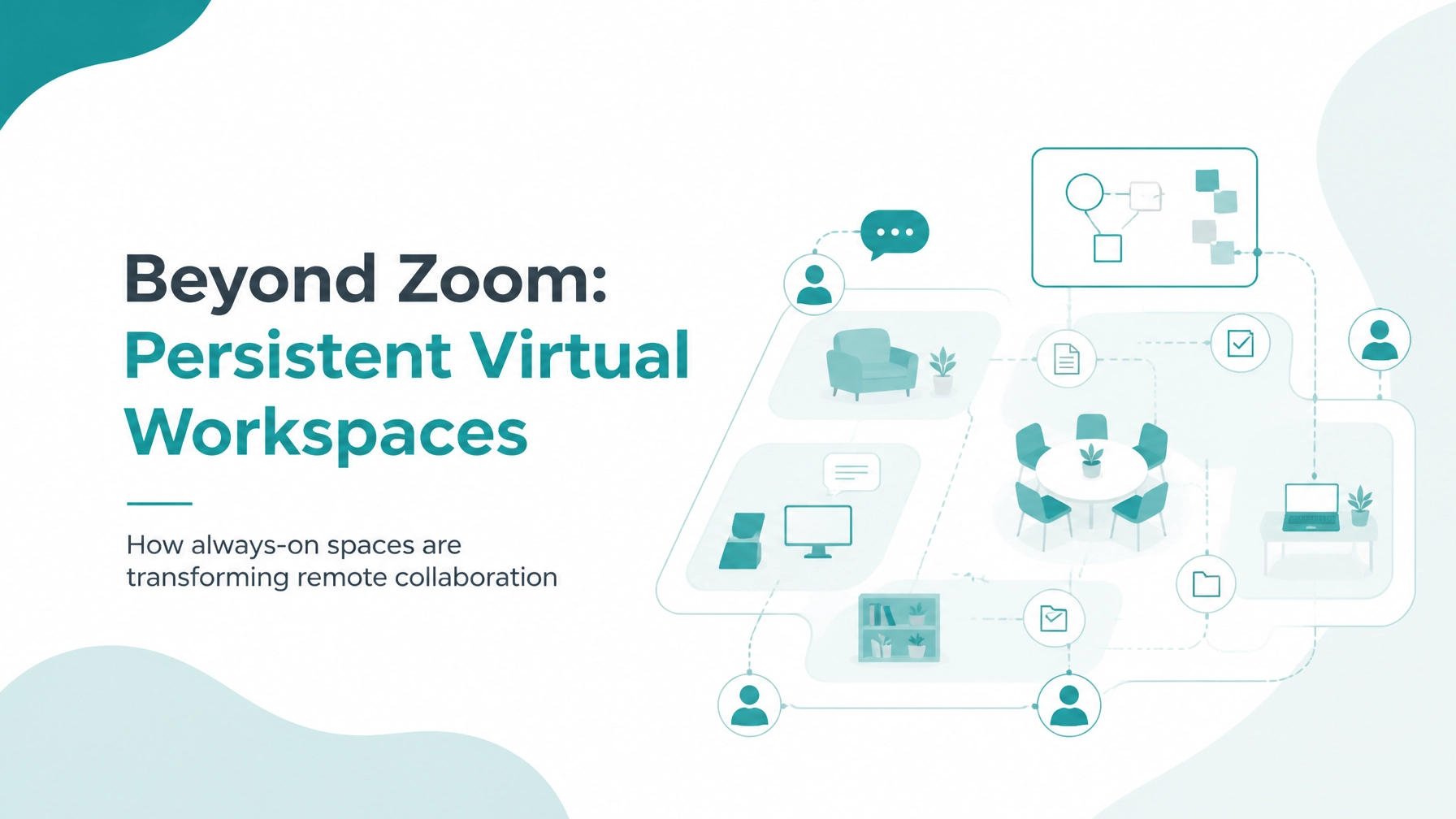
Think of a persistent workspace as a digital layer that sits over your team all day. It’s not a tool you "open" for a meeting; it’s the place where you "are."
Platforms like Gather, Tandem, and Switchboard represent this shift. They offer:
- Spatial Presence: You can see avatars or status bubbles on a "map" of the office. You know who is in the "Marketing War Room" and who is grabbing a virtual coffee.
- Contextual Persistence: A project room in Switchboard keeps your documents, whiteboards, and browser tabs exactly where you left them. When the team reconvenes, there is zero setup time.
- Low-Friction Audio: The ability to "drop by" someone’s desk for a 20-second audio sync without the ceremony of a formal invitation.
4 Reasons Startups are Ditching Zoom for Digital HQs
1. Reclaiming Serendipity
In a physical office, the best ideas often happen in the hallway. Persistent workspaces recreate this by allowing for "active presence." When two engineers see each other in a virtual room, they might jump on a quick screen-share that solves a bug in minutes: something that would never have been scheduled.
2. Reducing Meeting Fatigue
When your team has a way to communicate spontaneously, the need for "status update" meetings evaporates. Teams using persistent spaces report a significant drop in scheduled meetings because the "who is doing what" is already visible. This keeps your lean teams focused on growth rather than coordination.
3. Immediate Onboarding and Culture
Onboarding a new hire in a remote environment is notoriously difficult. A digital HQ allows them to "see" how the company works. They can observe which departments collaborate most frequently and join "open" rooms to listen and learn, accelerating their time-to-value.
4. Operational Oversight
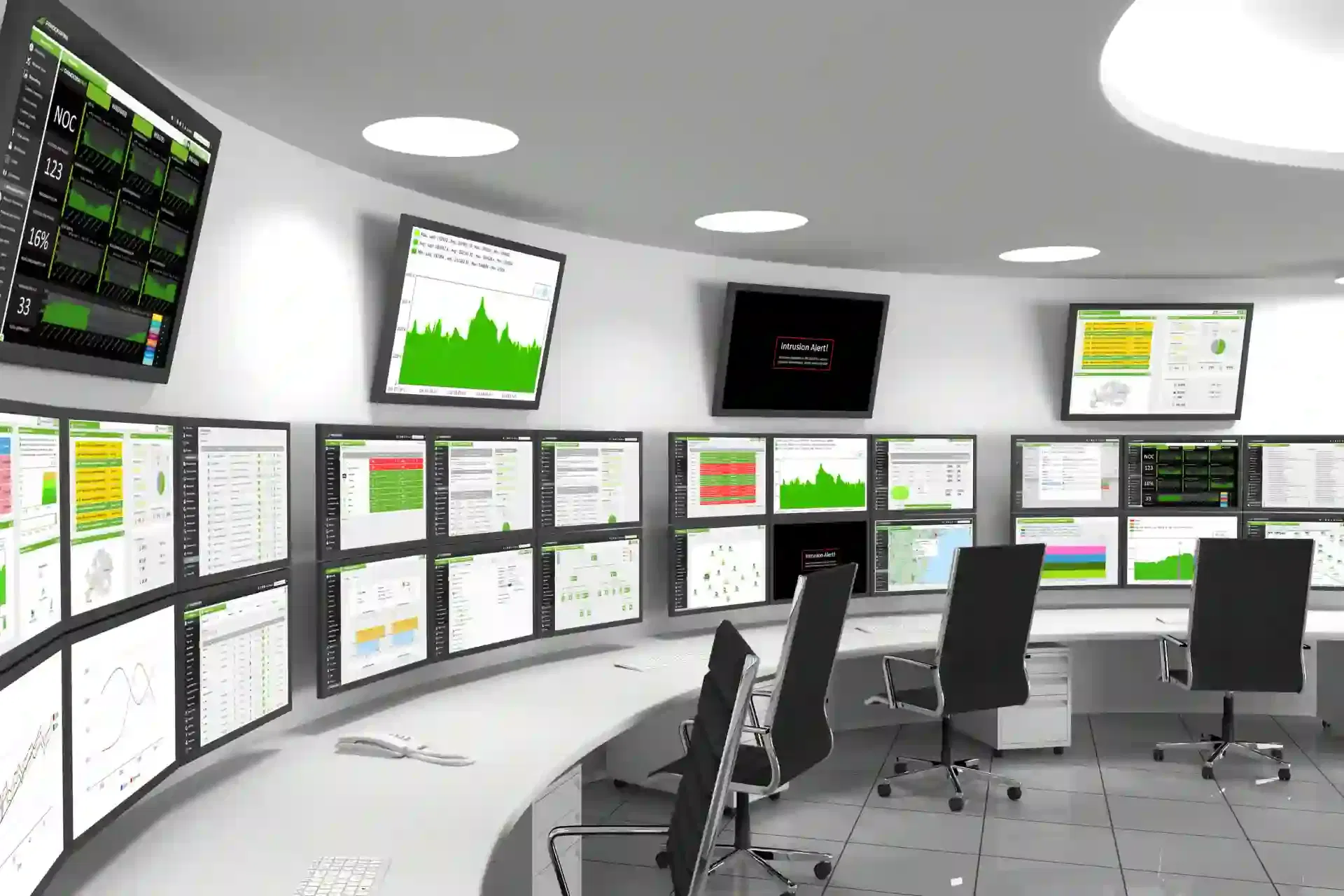
For leadership, a persistent workspace provides a real-time pulse of the business. You can see the operations command hub in action without needing to ask for a report. It’s about visibility without micromanagement.
The AI Edge: How 2026 Technology is Changing the Game
We are moving toward the "Autonomous Workspace." In 2026, persistent workspaces are no longer just static maps; they are integrated with AI agents that manage the "state" of your office.
- Predictive Presence: AI can analyze your calendar and deep-work patterns to automatically signal to the team when you are "interruptible" vs. "in the zone."
- Automated SOP Documentation: Imagine a conversation happening in a persistent room being automatically summarized and turned into a draft SOP (Standard Operating Procedure).
- Smart Resource Allocation: AI-driven workspaces can dynamically allocate bandwidth and server resources based on which "rooms" are most active, reducing latency by up to 30%.
This level of automation and AI integration ensures that your digital infrastructure scales alongside your headcount.
Implementing Your Digital HQ: The Practical Path
Switching to a persistent workspace isn't just about picking a tool; it’s about changing your operational DNA. At Nepatech Solutions, we focus on the Operation & System Support required to make this transition seamless.
To successfully move beyond Zoom, you need three things:
- Clear Communication SOPs: Defining when to "drop by" and when to respect "quiet hours."
- Integrated Tooling: Your digital HQ should be the "glue" between your CRM (like HubSpot or Zoho) and your project management tools.
- Dedicated Support: Having a virtual assistant or operations lead who maintains the digital space, updates the documentation, and ensures everyone is using the platform effectively.
Is Your Business Ready to Scale?
The goal of any digital system is to remove the bottlenecks that prevent growth. If your leadership team is spending 80% of their day in Zoom meetings just to keep the lights on, you have a coordination problem.
Persistent virtual workspaces offer a way to regain that lost time. They turn your remote team from a collection of individuals into a unified, high-performing unit.
If you’re ready to streamline your operations and implement the next generation of digital support, let’s talk. We help startups build the systems they need to focus purely on the bigger picture.