For years, the standard advice for scaling a startup was to invest in a "comprehensive" enterprise suite. The promise was simple: one platform to handle everything from CRM and marketing to project management and billing. But by 2026, that promise has largely soured for lean, remote-first teams.
Instead of streamlining operations, these bloated platforms often introduce a new kind of "technical debt." Founders find themselves paying for hundreds of features they never touch, while the three tasks they actually need are buried under layers of complex menus.
The market is shifting. We are seeing a massive move toward Micro-SaaS for Micro-Tasks. These are laser-focused, custom mini-apps designed to do one workflow perfectly. At Nepatech, we’re seeing more companies ditching the "everything-in-one" approach in favor of a modular, automated stack built for speed and specificity.
The Cost of "Feature Fatigue" in 2026
Traditional enterprise software is built for the "average" large corporation, not your specific startup. To satisfy thousands of different use cases, vendors keep adding features. This leads to what industry insiders call "bloatware."
For a small team, this bloat has a real cost:
- Onboarding Friction: New hires spend weeks learning a complex UI instead of doing their jobs.
- Excessive Seat Costs: You’re often forced into high-tier subscriptions just to unlock one specific API integration or reporting tool.
- The "Tab Jungle": Despite having a "unified" suite, employees still find themselves jumping between tabs to find the data they actually need.
Modern teams are realizing that a smart automation strategy isn't about having the most software, it's about having the right tools for the specific problems they face.
What Exactly is a Micro-SaaS Mini-App?
A Micro-SaaS mini-app is a software solution that addresses a single, high-frequency task within your business. Unlike a full CRM like HubSpot or Zoho, a mini-app doesn't try to manage your entire sales funnel. Instead, it might only handle lead enrichment or automated contract generation.

These tools are often built using low-code or no-code frameworks, allowing them to be deployed in weeks rather than months. They are designed to sit inside your existing ecosystem, connecting via API to your email, your database, or your communication channels like Slack.
According to recent market analysis, the micro-SaaS segment is projected to grow to nearly $60 billion by 2030. This growth is driven by a simple reality: buyers want relief from complexity and more control over their data.
Why "Micro" is Winning the Enterprise War
In 2026, the competitive advantage belongs to the leanest teams. Here is why custom mini-apps are winning:
1. Zero Learning Curve
When a tool only does one thing, there is nothing to learn. A mini-app designed specifically for your CRM management workflow will have an interface that matches your team’s language and logic perfectly. There are no redundant buttons or confusing "advanced" settings.
2. Extreme Time-to-Value
Traditional software implementations can take months. A custom micro-task tool can often be prototyped and launched in a few weeks. This allows startups to solve operational bottlenecks in real-time as they arise, rather than waiting for a vendor's roadmap to catch up.
3. AI-Powered Precision
By 2026, Gartner estimates that 40% of enterprise applications will feature task-specific AI agents. Micro-SaaS is where this trend is most visible. Because the scope is narrow, the AI can be highly trained on specific data.
For example, instead of a general "AI assistant," a mini-app can function as a dedicated Lead Scoring Agent that analyzes incoming inquiries against your past three years of deal data to flag the highest-value prospects instantly.
Real-World Examples: Tasks Perfect for Mini-Apps
You don't need a new platform for every problem. You need a targeted solution. Here are three common "micro-tasks" we automate for our clients:
- The Automated RFP Screener: A mini-app that reads incoming Request for Proposals (RFPs), checks them against your service capabilities, and automatically drafts a "Go/No-Go" summary for leadership.
- Custom Client Reporting Dashboards: Instead of fighting with complex BI tools, we build simple, one-page portals that pull only the 5 KPIs your clients actually care about from your various backend systems.
- The "Instant Follow-Up" Bridge: We know that following up within 5 minutes can double conversion rates. A mini-app can sit between your web form and your sales team, handling the initial "human-sounding" outreach automatically to keep the lead warm.
Building vs. Buying: The Shift in Strategy
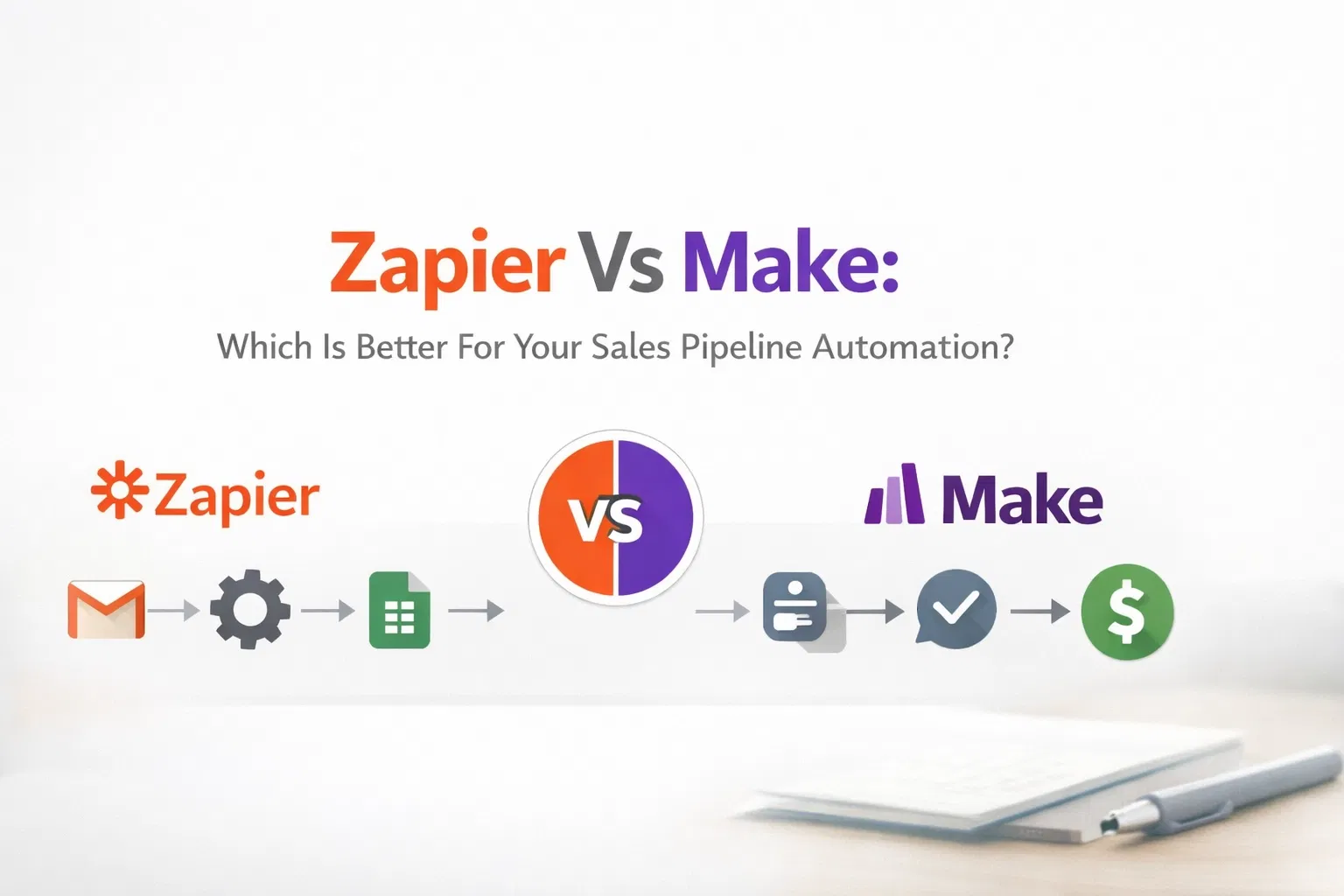
In the past, building custom software was considered a luxury for large enterprises with massive dev teams. Today, the landscape is different. Using tools like Zapier, Make, and specialized AI frameworks, building a custom mini-app is often cheaper than paying for 12 months of a high-tier enterprise subscription.
When we work with startups at Nepatech, our goal isn't to replace their CRM or their project management software. Instead, we look for the "frictions" where those platforms fail. We build the AI-driven automation layers that bridge those gaps.
This approach ensures that your team isn't working for the software. The software, specifically designed for your SOPs, is working for you.
How to Audit Your Stack for Bloat
If your team feels overwhelmed by their digital tools, it’s time for an audit. Ask these three questions:
- The 20% Rule: Are we using less than 20% of the features in this expensive software?
- The Manual Bridge: Is my team manually copying data from one "all-in-one" tool to another because they don't talk to each other correctly?
- The Training Tax: Does it take more than two days to train a new hire on this platform?
If the answer to any of these is "Yes," you are likely a prime candidate for a micro-task solution. Replacing a bulky module with a sleek, automated mini-app can reduce overhead and significantly improve team morale.
Scaling Smarter, Not Bigger
The goal of automation for startups isn't just to save time. It's to remove the cognitive load from your leadership team. When you have a suite of custom mini-apps handling your repetitive micro-tasks, you free up your mental energy to focus on the bigger picture: growth.
The future of business software isn't "one size fits all." It's "my size fits me."
By moving away from bloated enterprise suites and embracing the power of Micro-SaaS and custom automation, you ensure your operations are as agile and scalable as your business vision.