The business landscape in 2026 has fundamentally shifted. For years, the traditional badge of honor for a growing startup was headcount. If you were hiring, you were winning.
Today, that narrative is being rewritten. Founders are realizing that a large internal roster often brings more complexity than capability. In an era where tech stacks evolve monthly and market conditions shift weekly, the rigid nature of traditional employment is becoming a bottleneck for growth.
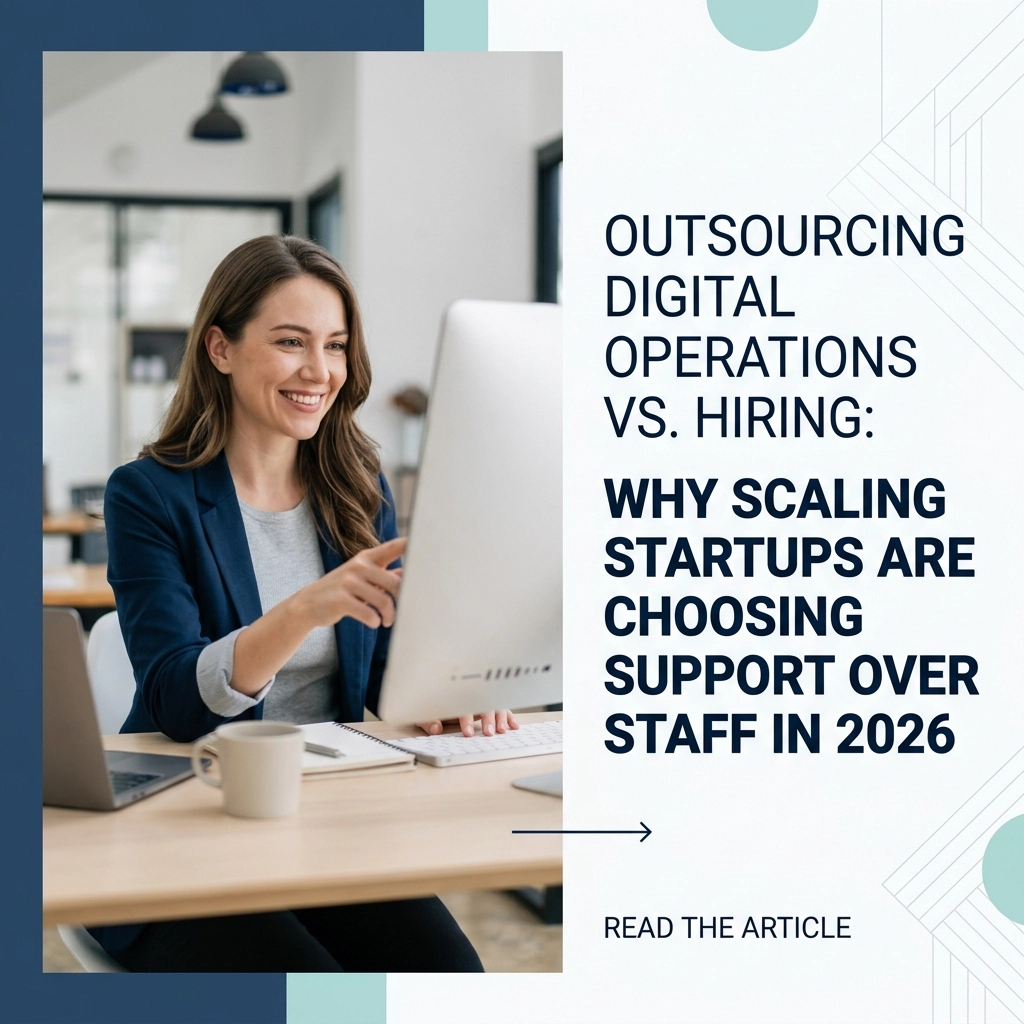
Smart scaling is no longer about how many people sit in your office: or even your Slack channel. It is about how efficiently you can access specialized expertise to streamline business processes. This is why we are seeing a massive move toward remote operational support over traditional full-time hiring.
The Rising Complexity of the Modern Tech Stack
In the past, a founder could manage their own CRM, handle basic SEO, and keep up with admin. Today, these "digital operations" have become highly specialized.
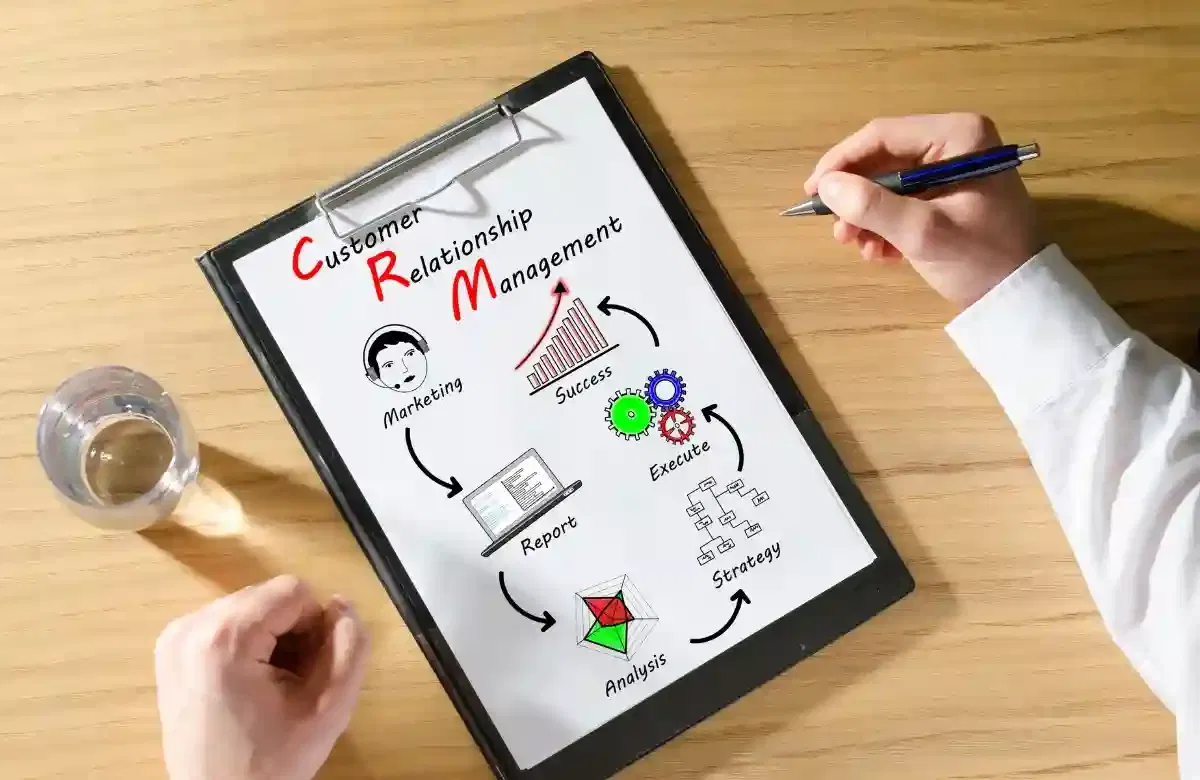
Managing a modern CRM isn't just about data entry; it’s about sophisticated workflow automation and predictive analytics. SEO is no longer just about keywords; it’s about technical site performance and AI-driven content relevance.
When a startup hires an in-house generalist to handle these tasks, they often end up with someone who is "okay" at everything but an expert in nothing. This creates operational friction. As the company grows, the fragmented systems begin to break.

The Real Cost of In-House Hiring in 2026
When comparing a new hire to outsourced digital support, founders often look only at the salary. This is a strategic mistake.
In the UK, the true cost of an employee includes National Insurance, pension contributions, private healthcare, equipment, and office space (even for hybrid teams). Beyond the financial outlay, there is the "management tax." Every new hire requires onboarding, training, performance reviews, and cultural integration.
The Hidden Costs of Recruitment
- Time-to-Hire: The average search for a skilled operations manager can take 3–5 months.
- Onboarding Risk: It takes roughly six months for a new hire to reach full productivity. If they leave within the first year, the ROI is negative.
- Training Overhead: Technology moves so fast that keeping an in-house team up-to-date on the latest AI automation tools is a constant expense.
In contrast, partnering with a digital business support firm allows you to skip the recruitment cycle. You gain immediate access to a team that is already trained on the latest systems.
Flexibility: Scaling Up Without the Friction
The biggest advantage of remote operational support is elasticity. Startups rarely grow in a perfectly straight line. You have "spiky" periods: a product launch, a funding round, or a major seasonal push: followed by periods of stabilization.
With an in-house team, your overhead is fixed. Whether you are busy or quiet, the payroll remains the same. This can drain vital cash reserves during lean months.
Outsourcing allows you to scale your support up or down based on your actual needs. You might need heavy CRM optimization for three months to build your sales engine, then scale back to maintenance mode once the system is humming. This level of agility is impossible with traditional employment contracts.
Specialized Skills vs. The Generalist Trap
A common pitfall for solo founders is hiring a "Digital Jack-of-all-trades." They want someone who can manage their inbox, fix their HubSpot workflows, and rank their website on Google.
In reality, these are three distinct skill sets.
- Administrative Excellence: Managing a founder's time requires high-level EQ and organizational skills.
- Systems Engineering: Managing a CRM requires a logical, data-driven mindset.
- Search Strategy: SEO requires technical knowledge and a deep understanding of ever-changing algorithms.
By using a virtual assistant for startups, you aren't just getting one person. You are getting access to a collective of specialists. At Nepatech Solutions, we ensure that the right expert is touching the right part of your business, ensuring that your SEO strategy is as robust as your back-office operations.

The Strategic Framework: What to Keep and What to Outsource
Deciding what to keep in-house and what to outsource is the most critical decision a CEO can make. The most successful startups in 2026 follow a "Core vs. Context" model.
Keep In-House (The Core)
- Product Vision: The unique value proposition of what you are building.
- Culture & Leadership: The "why" behind your company.
- Customer Relationships: High-level strategic account management.
Outsource (The Context)
- Operational Systems: CRM management, automation, and tech stack maintenance.
- Administrative Support: Calendar management, travel, and inbox triage.
- Growth Mechanics: SEO, lead generation sequences, and data reporting.
This model allows the founder to stay focused on high-leverage activities while the "engine" of the business is maintained by experts. It effectively provides digital support for solo founders that feels like a full-scale operations department without the associated headaches.
AI and the Future of Operational Support
We cannot talk about 2026 without mentioning AI. The role of the "Virtual Assistant" has evolved. It is no longer just about someone doing manual tasks; it is about human-in-the-loop automation.
Modern support teams use AI to augment their capabilities. We use AI-driven workflows to ensure that no lead falls through the cracks and that your business data is always clean and actionable. This "AI-augmented" approach is much harder to implement in-house, as it requires constant R&D and testing.
By outsourcing, you benefit from the "Network Effect." A consulting firm sees what works across twenty different companies and applies those best practices to yours. An in-house employee only sees what happens within your four walls.

Moving Toward a Leaner, Smarter Growth Model
The shift from hiring to support isn't just about saving money; it’s about focus. Every hour you spend managing an employee is an hour you aren't spending on your product or your customers.
For the modern founder, the goal is to build a "frictionless" business. This means having systems that work, data that is accurate, and a calendar that is clear: all without having to manage the people who make it happen.
If you are looking to scale without the traditional hiring risks, it might be time to look at your operations through a different lens. Whether you need to streamline business processes or find a dedicated remote operational support partner, the move toward flexible support is the fastest path to a scalable business in 2026.
Ready to see how lean operations can transform your growth? Request a free quote and let's discuss how we can build your digital infrastructure.