In the high-velocity business landscape of 2026, waiting for a prospect to fill out a "Contact Us" form is no longer a viable growth strategy. By the time a lead lands in your inbox, they have likely spent weeks researching solutions, comparing prices, and: most importantly: talking to your competitors who reached out first.
The traditional sales funnel is reactive. You build a brand, you run ads, and you wait. But for lean startups and scaling enterprises, "waiting" is an expensive luxury. To stay ahead, you need to transition from a reactive posture to a proactive one. This is where Predictive Pipelines come into play.
Predictive pipelines leverage AI-driven intent signals to identify high-value opportunities before the prospect even realizes they are ready to buy. At Nepatech Solutions, we specialize in turning these digital breadcrumbs into actionable sales workflows, ensuring your team is always one step ahead of the market.
The Death of the Traditional Lead Score
For years, CRM systems relied on basic lead scoring: a prospect opens an email (+5 points), visits a pricing page (+10 points), or downloads a whitepaper (+15 points). While useful, these metrics only measure engagement with your content. They don't tell you what is happening inside the prospect's organization.
In 2026, the most valuable data isn't internal; it’s environmental. Predictive pipelines look outward. They monitor the market for specific triggers that indicate a company is entering a "buying window." If you can identify these windows early, your lead conversion rate doesn't just improve: it multiplies.

The Three Goldmines of AI-Driven Signals
To build a predictive pipeline, your CRM needs to be fed with real-time external data. There are three primary types of signals that serve as the best indicators of an impending deal.
1. Financial Signals: Funding and Fiscal Shifts
When a company secures a Series A or B funding round, their mandate changes overnight. They go from "conserve cash" to "scale at all costs." This shift creates an immediate need for better systems, more efficient operations, and specialized consulting.
By integrating your CRM with AI scrapers that monitor news cycles and funding databases, you can trigger an automated outreach sequence the moment a target account’s funding is confirmed. You aren't just selling a service; you are providing the infrastructure they need to fulfill their new growth promises.
2. Technological Signals: The "Tech Stack" Pivot
A company's tech stack is a roadmap of their challenges. If a prospect suddenly starts hiring for "HubSpot Administrators" or installs "Salesforce" tracking scripts on their site, they are likely struggling with data silos or sales visibility.
These tech shifts are massive buying signals for digital business support providers. If your CRM alerts you that a high-value lead has just switched from a legacy system to a modern SaaS platform, you can reach out with a hyper-personalized message about CRM implementation and management.
3. Structural Signals: The New Hire Trigger
"New leaders bring new tools." When a new VP of Sales or Chief Technology Officer is hired, they usually spend their first 90 days auditing existing processes. They are looking to make an impact, and they often do so by bringing in the vendors and systems they trust.
Monitoring LinkedIn and job boards for executive moves allows your sales team to be the first "congratulations" in their inbox, coupled with a strategic offer to help them audit their new department’s efficiency.
From Signals to Automated Action: The Technical Setup
Collecting data is only half the battle. The real value lies in what you do with it. A common mistake founders make is manually tracking these signals, which leads to burnout and missed opportunities.
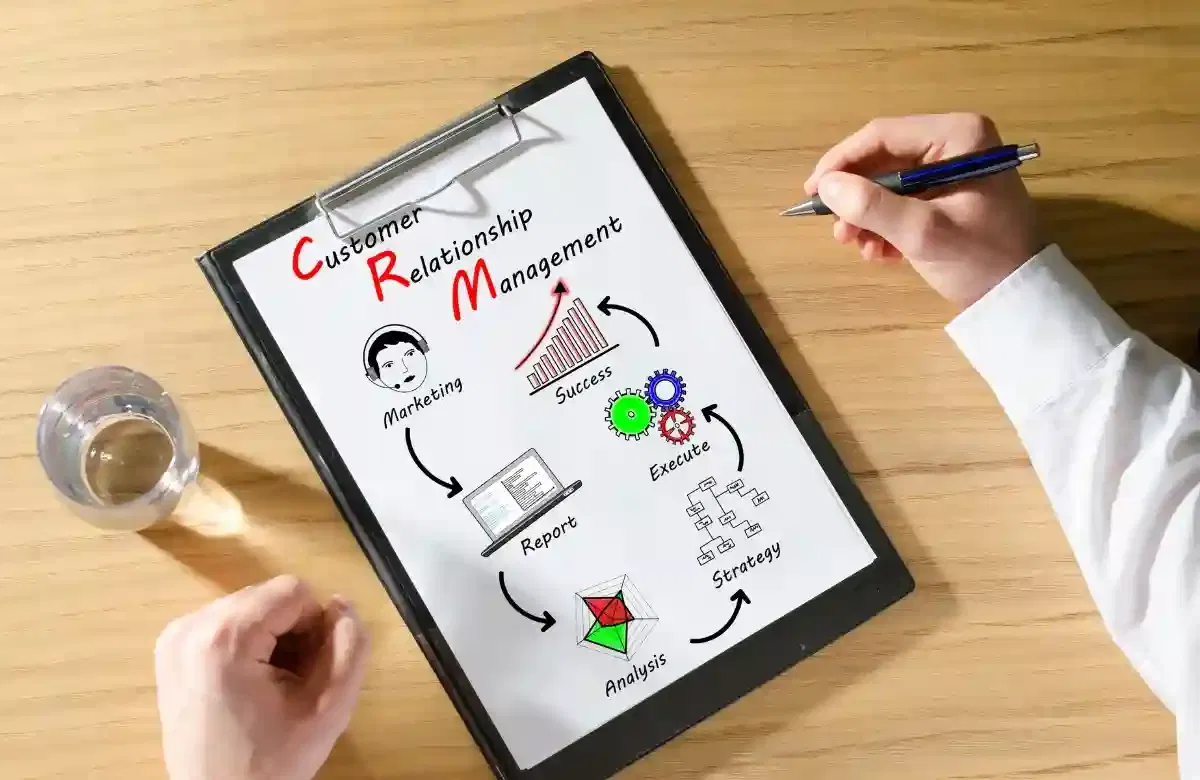
At Nepatech Solutions, we implement AI and automation layers that connect these external signals directly to your CRM. Here is how the workflow looks:
- The Listener: An AI tool monitors specific databases (like Crunchbase, LinkedIn, or BuiltWith) for your predefined triggers.
- The Filter: Your CRM (HubSpot, Salesforce, etc.) receives the signal and cross-references it with your Ideal Customer Profile (ICP).
- The Action: If the company matches your target, the system automatically creates a "Deal" and assigns a task to a Virtual Assistant or sales rep.
- The Outreach: An automated, yet highly personalized, email sequence is launched, referencing the specific signal (e.g., "Congratulations on the recent funding round…").
This "Frictionless Pipeline" ensures that your sales team spends their time closing deals, not hunting for them.
Why This Matters for Scaling Startups
For a startup, resources are finite. You cannot afford to chase every lead. Predictive pipelines allow for Weighted Pipeline Forecasting, where you prioritize your energy based on "Intent Strength."
Instead of a flat list of 500 prospects, your CRM shows you the 10 companies that just received funding, hired a new lead, and are currently researching your specific niche. This level of smart automation is what separates stagnant businesses from those that scale 10x.
Building Your Command Hub
To manage these predictive signals effectively, you need a central "Command Hub." This isn't just a software subscription; it’s a set of scalable systems that work while you sleep.
When we work with clients on CRM management, we don't just organize their contacts. We build the "wiring" that connects their business to the outside world. We ensure that every signal is captured, every lead is nurtured, and every opportunity is exploited.

The Human Element: Verifying the AI
While AI is the engine of a predictive pipeline, human oversight remains the steering wheel. This is where Nepatech’s Virtual Assistant services provide a massive competitive advantage.
An AI might flag a "Hiring" signal, but a VA can dig deeper. They can find the specific pain points mentioned in the job description and use that information to customize your outreach even further. This hybrid approach: AI for speed and scale, humans for nuance and empathy: is the gold standard for 2026.
How to Get Started
Building a predictive pipeline can feel overwhelming if you are starting from scratch. However, the transition from "Chaos to Clarity" is simpler than most founders think.
- Audit Your ICP: Who are your best clients? What happened in their company right before they hired you?
- Select Your Signals: Choose 2-3 external triggers that correlate most strongly with your sales success.
- Automate the Feed: Integrate tools that push these signals into your CRM.
- Refine Your Response: Create outreach templates that feel personal, not robotic.
If you are ready to stop waiting for demos and start hunting for deals, Nepatech Solutions is here to help. Whether you need a full CRM implementation or an AI-driven automation strategy, our team can build the systems you need to dominate your market.
Don't let your next big deal go to a competitor who saw the signal first. Contact us today or request a free quote to start building your predictive pipeline.