The image of a founder chained to a mahogany desk, surrounded by glowing monitors, is officially a relic of the past. By 2026, the "office" for most high-growth startup leaders has shifted to airport lounges, local parks, or the driver’s seat of a car.
However, being remote-first doesn't mean being "operations-light." The complexity of managing a sales pipeline, overseeing a remote team, and keeping tabs on operational KPIs hasn't gone away, it has just become harder to manage with two thumbs on a glass screen.
Enter Voice-First Operations. This isn't just about asking Siri to set a timer. It’s a strategic shift where natural language becomes your primary interface for data capture and team management.
At Nepatech Solutions, we’ve seen a 280% increase in data accuracy for teams that transition from manual entry to voice-first capture layers. Here is how you can stop typing and start leading, entirely via voice.
The Death of the "Capture Problem"
Every founder knows the "Capture Problem": you have a brilliant discovery call or a breakthrough idea for a project, but by the time you sit down at your laptop, the nuances are gone. Or worse, the data never makes it into your CRM at all.
Manual data entry is the enemy of scale. It creates friction, leads to "CRM fatigue," and ultimately results in a "system of record" that is weeks out of date.
Voice-first operations solve this by separating your System of Capture from your System of Record. Your CRM (like HubSpot or Zoho) remains the source of truth, but your voice becomes the fastest way to feed it.

1. Managing Your CRM: From Dictation to Intelligent Action
In 2026, modern CRMs are no longer just databases; they are agents. When you use voice-to-CRM integrations, you aren't just transcribing text, you are triggering logic.
Hands-Free Lead & Deal Management
Imagine walking to your next meeting and saying into your earbuds: "Hey, create a new opportunity for Acme Corp, estimated value £25,000, expected close in Q3, and tag Rupesh for a technical review."
Through native integrations or AI middleware, your CRM doesn't just "write that down." It:
- Creates the deal record.
- Estimates the weighted pipeline value.
- Sets a reminder for the technical review.
- Sends a Slack notification to the relevant team member.
The Post-Meeting "Brain Dump"
The most critical time for data capture is the 60 seconds after a call ends. With voice-first tools like Fireflies or Avoma synced to HubSpot, you can dictate a summary of the call while it’s fresh.
AI agents extract key entities: competitors mentioned, budget constraints, timeline: and automatically populate the specific fields in your CRM. This ensures your CRM setup stays lean and high-utility without you ever touching a keyboard.
2. Team Operations: Managing a Remote Workforce via Voice
Managing a distributed team requires constant communication and clear task delegation. If you’re on the move, typing out SOPs or assigning tasks in ClickUp or Jira is a bottleneck.
Natural Language Task Delegation
Using voice assistants integrated with your project management tools allows you to manage your virtual assistant support and ops team in real-time.
"Assign the SEO audit for the London client to the SEO team, due next Friday, and link it to the Q2 growth project."
Modern AI agents can parse this sentence, find the right project, identify the "SEO team" group, and set the deadline accurately. This allows you to delegate as fast as you think.
The "Morning Briefing" via Voice
Instead of digging through 20 different Slack channels and dashboards, you can start your day by asking your internal AI agent: "Give me a summary of what changed in the product backlog and sales pipeline yesterday."
The system pulls data from your operation & system support tools and gives you a synthesized audio report while you're getting coffee. You stay informed without the "digital noise."

3. The Tech Stack: Building Your Voice-First Infrastructure
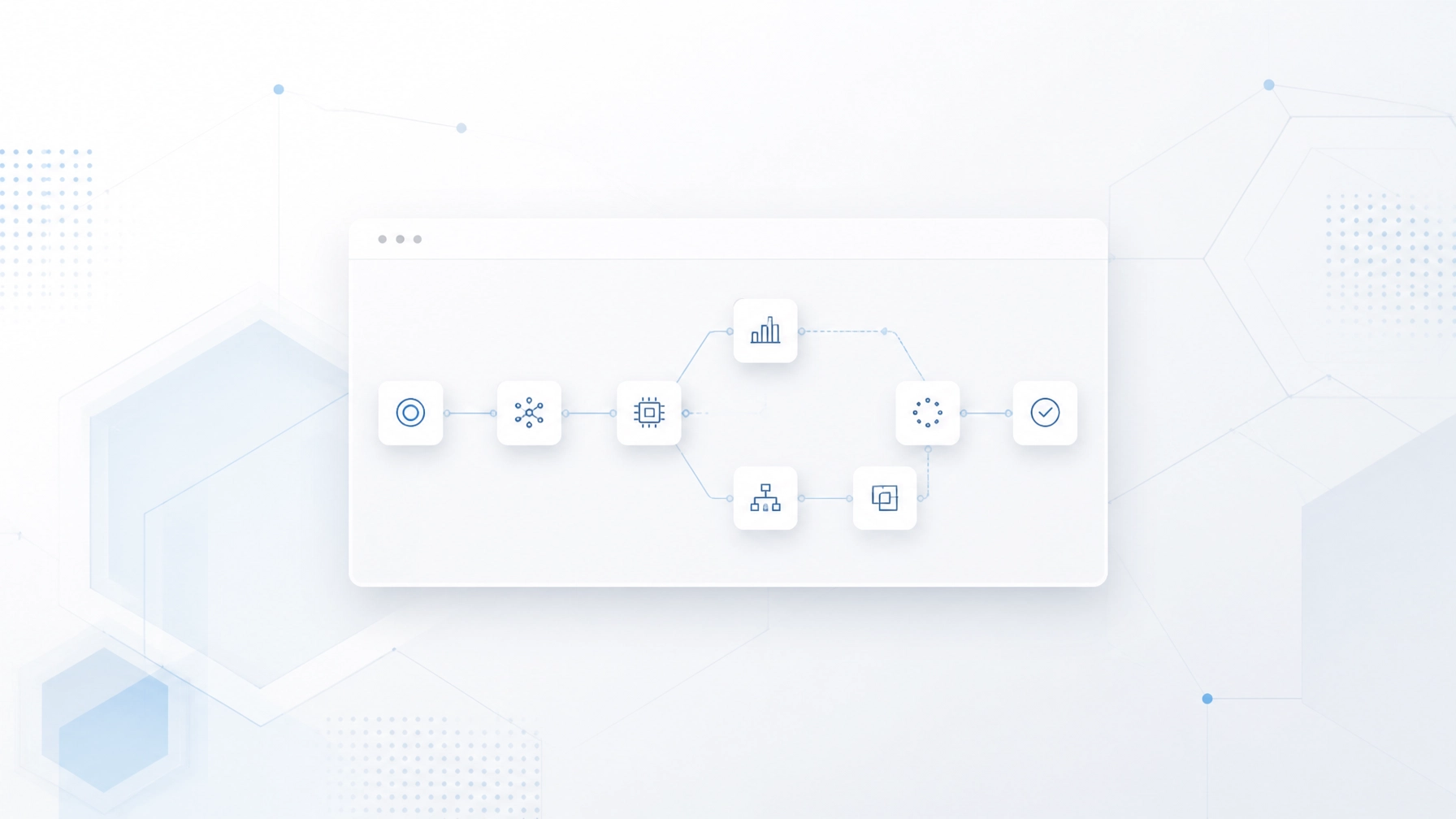
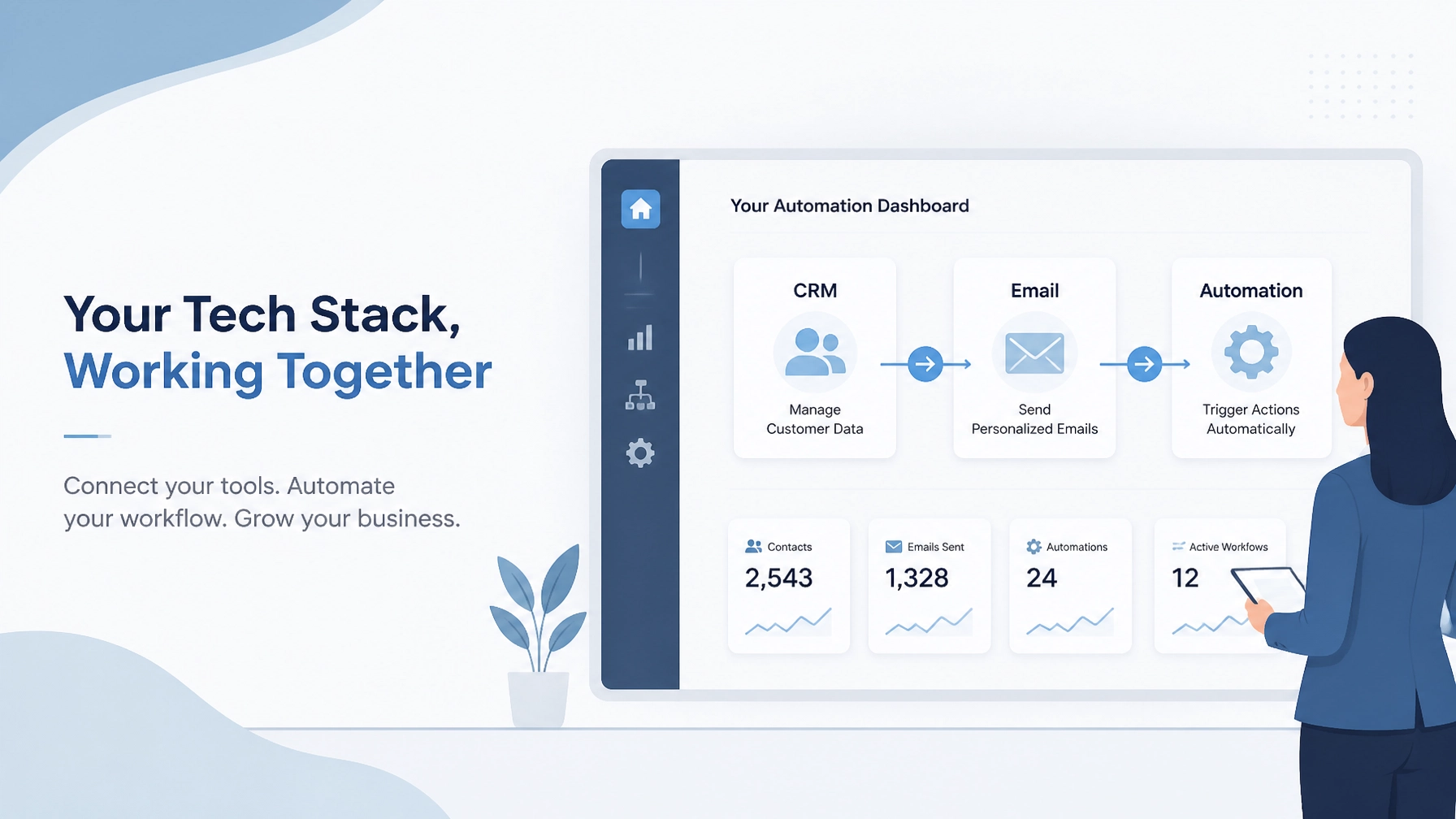
To make this work, you need a stack that talks to itself. You don't need to be a developer to set this up, but you do need a strategic layout.
- The System of Record: HubSpot or Zoho. These are the "brains" where your data lives.
- The Voice Layer: Tools like ChatGPT Voice Mode, Microsoft Copilot, or specialized CRM voice assistants.
- The Glue: Zapier or Make to bridge the gap between your voice commands and your specific business workflows.
At Nepatech, we specialize in building these AI-driven automations. We ensure that when you speak, the right gears turn in the background, whether that’s updating a pipeline or triggering a customer nurture sequence.
4. Why Founders Are Moving to "Agentic" Workflows
The shift in 2026 is from "transcription" to "agency." Earlier versions of voice tech just wrote down what you said. Now, AI assistants have "agency": they understand the intent behind your words.
If you say, "The client is worried about the timeline," an agentic workflow might automatically:
- Flag the deal as "At Risk."
- Search your internal SOPs for "Timeline Acceleration Protocols."
- Draft a reassuring email for you to review and send.
This level of support used to require a full-time Chief of Staff. Now, it requires a well-configured digital system and a pair of wireless earbuds.

5. Security and Governance: Keeping Voice Data Safe
With great convenience comes the need for great security. Managing your business via voice means sensitive data is traveling through various AI models.
Founders must ensure:
- Data Encryption: Use tools that offer Enterprise-grade encryption (SOC2 compliance).
- Access Control: Just because you can assign a task via voice doesn't mean everyone should have access to your pipeline data.
- Human-in-the-Loop: For high-stakes actions: like changing a contract value or approving a major expenditure: always keep a "human-in-the-loop" verification step.
Our team at Nepatech Solutions focuses on building reliable remote support systems that prioritize security while maintaining the flexibility a founder needs.
How to Get Started with Voice-First Operations
You don't need to overhaul your entire business overnight. Start with one high-friction area: usually post-meeting notes or daily task assignment.
- Audit your current friction: Where do you hate typing?
- Pick your capture tool: Whether it’s HubSpot’s mobile app or a third-party AI assistant.
- Define your voice "syntax": Establish a few standard ways to phrase commands so the AI remains 100% accurate.
- Partner with experts: If you want a custom workflow that connects your CRM, team, and automation, get a free quote from us.
The founders who win in 2026 aren't the ones who work the longest hours; they are the ones who have the lowest "friction to action" ratio. By moving to voice-first operations, you reclaim your most valuable asset: time.
Ready to take your operations hands-free? Contact Nepatech Solutions today and let's build your voice-driven future.