For decades, the standard for business growth was simple: hire more people, lease a larger office, and build a local hierarchy. By 2026, that blueprint has been largely discarded.
The question is no longer whether your team is in the same room, but whether they are aligned with your mission and equipped with the right systems. The physical location of a desk has become secondary to the efficiency of the digital infrastructure supporting it.
For many founders, the shift toward a decentralized model isn't just about saving on rent; it is a strategic move to maintain agility in a fast-paced market.
The Evolution of the In-House Requirement
In the early 2020s, remote work was an emergency measure. Today, it is an intentional design choice for the most successful startups and scale-ups.
The traditional in-house model often carries heavy hidden costs. Beyond the obvious overhead of office space and utilities, there is the cost of geographic limitation. Restricting your talent search to a 30-mile radius of a physical office inevitably leads to compromises in skill sets.
By moving toward remote operational support, businesses can access global expertise without the logistical friction of traditional employment. This transition allows leaders to focus on "The Why" of their business, while the "How" is handled by specialized remote partners.
Why Remote Operational Support Outperforms the Old Model
For a modern business, especially those in the growth phase, flexibility is the primary competitive advantage. Seven in ten business leaders now cite being "fast and nimble" as their main strategy for 2026.
An in-house team is often static. If you hire a full-time operations manager, you are committed to that salary regardless of seasonal fluctuations or project-based needs.
Conversely, leveraging a virtual assistant for startups provides a scalable resource that grows with you. You gain the ability to ramp up support during a product launch and scale back during quieter periods, ensuring your burn rate remains manageable.

Intentional Team Design Over Physical Presence
Research in 2026 shows that the quality of management and clarity of purpose are far more influential than physical proximity. Middle managers now influence 70% of employee engagement.
This means that if your processes are well-documented and your communication is clear, it doesn't matter if your team is in London or Lisbon. The focus has shifted to intentional team design: helping leaders define what flexibility looks like and communicating those expectations through digital systems.
For solo founders, this is particularly relevant. Digital support for solo founders allows an individual to operate with the capacity of a ten-person company. By delegating administrative and technical tasks, the founder stays in their "zone of genius," driving the company forward rather than getting bogged down in the minutiae.
The Role of Technology in Replacing the Office
One of the biggest arguments for in-house teams used to be "organic collaboration." In 2026, we have replaced the water cooler with sophisticated AI-driven automation and integrated workflows.
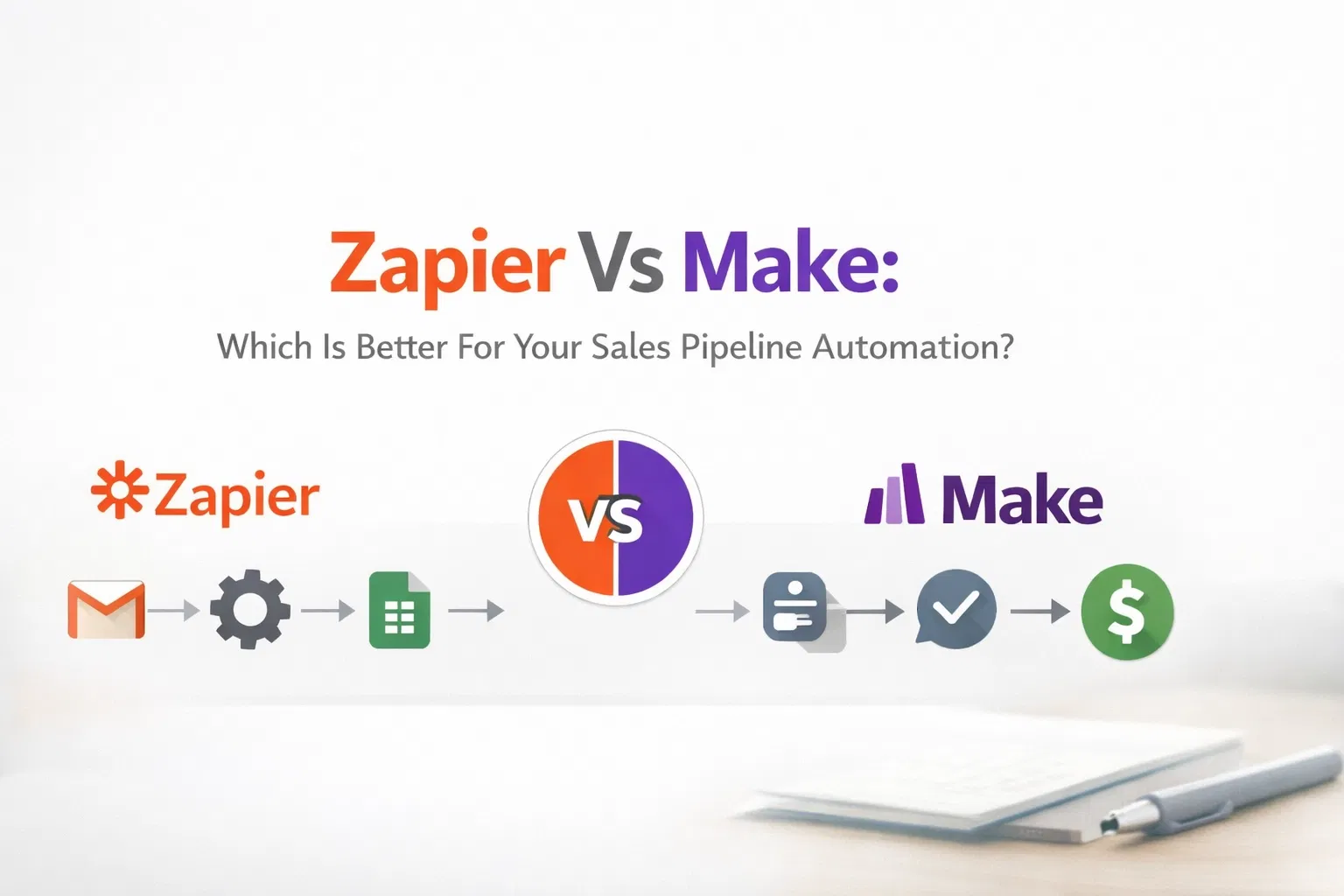
When you streamline business processes using tools like Zapier or Make, the need for manual oversight decreases. Information flows automatically between departments, reducing the chance of human error and the need for constant "status update" meetings.
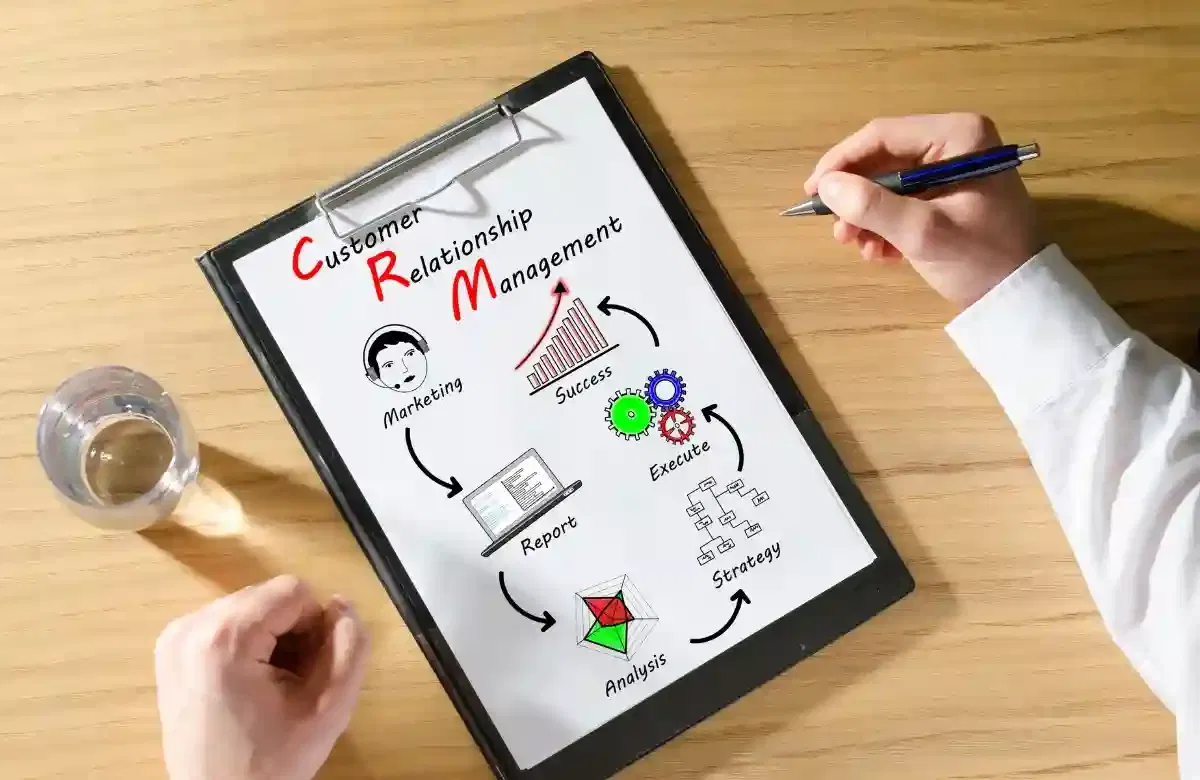
At Nepatech Solutions, we often find that when a business complains about a "lack of communication" in their remote team, the real problem is a lack of CRM setup or process documentation. When the system is the "single source of truth," the team remains aligned regardless of their time zone.
Scalability and the Lean Business Model
The "lean" movement has reached its peak in 2026. Successful companies are no longer measured by their headcount, but by their revenue per employee.
Hiring a full in-house team for every department is an expensive way to build a company. Instead, modern UK small businesses are utilizing a "core and cluster" model:
- Core: A small, high-level leadership team (in-house or remote).
- Cluster: Specialized partners and virtual assistants who handle operations, CRM management, and customer success.
This model allows for rapid pivoting. If the market shifts, a company with a lean, remote-first structure can adapt in days. A company tied to a ten-year lease and fifty in-house contracts will take months to react.
Human-First Thinking in a Digital World
Does the "in-house" team provide a better "human" connection? Not necessarily.
People in 2026 want clarity, connection, and a sense that their work matters. These are psychological needs that can be met virtually. In many ways, the remote-first model forces leaders to be more intentional about culture. You can't rely on a Friday afternoon beer to fix a toxic culture; you have to build trust through transparency, reliable systems, and meaningful professional development.
Why UK startups are hiring virtual assistants is often down to this human element. They aren't just looking for a "task-doer"; they are looking for a success specialist who understands their vision.

The Verdict: Does It Matter?
The short answer is: No.
Having an in-house team does not matter in 2026 for the vast majority of digital and service-based businesses. What matters is the orchestration of your resources.
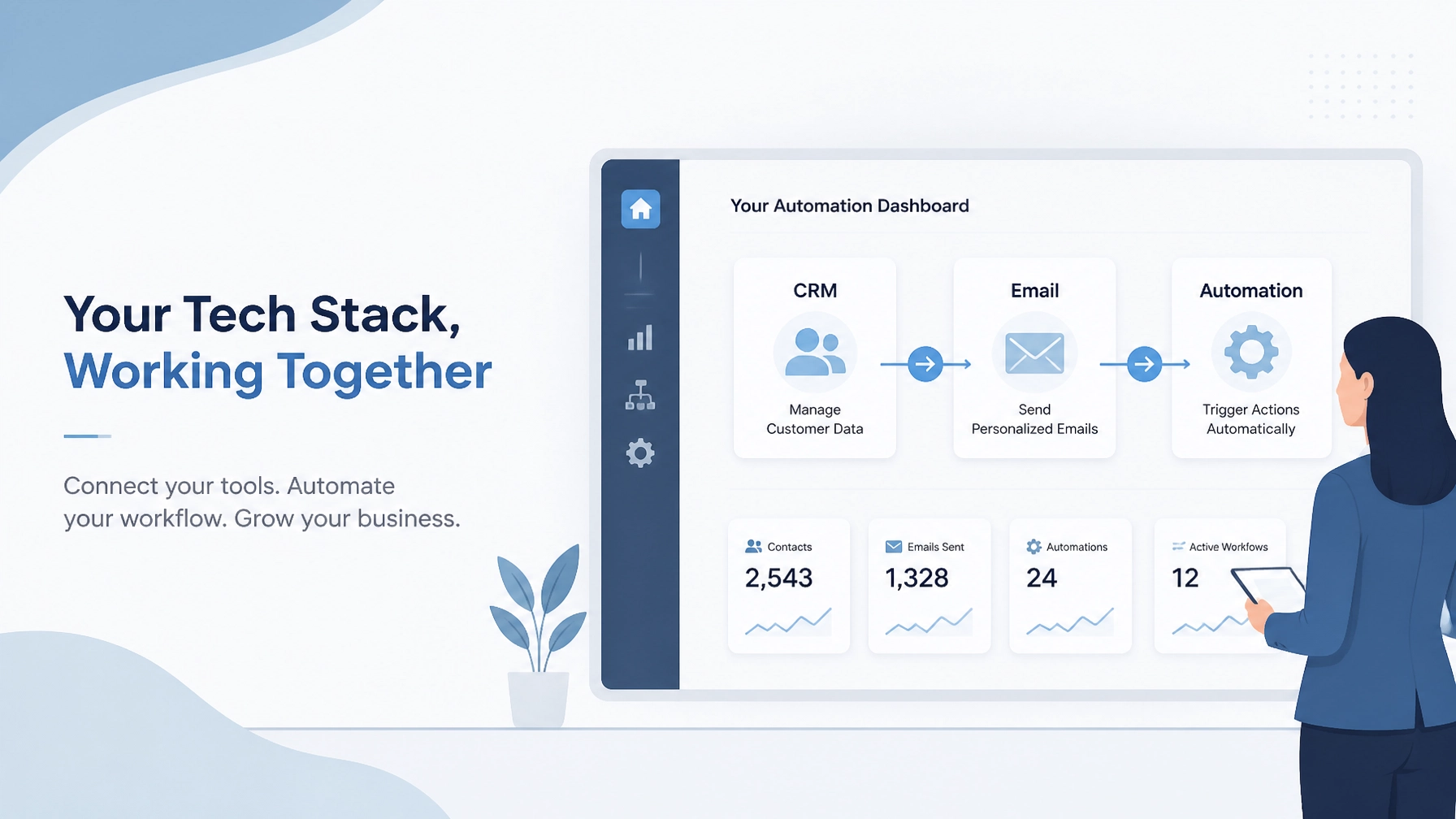
If you have a physical office but your data is siloed and your workflows are manual, you will lose to a solo founder with a well-configured CRM dashboard and a high-level virtual assistant every time.
The competitive advantage in today's landscape is adaptability. By leveraging remote operational support and focusing on business growth through automation, you aren't just cutting costs: you are building a more resilient, scalable, and human-centric organization.
Ready to Streamline Your Operations?
Moving away from the traditional in-house model can feel daunting, but you don't have to navigate it alone. Whether you need to refine your sales automation or find a dedicated virtual assistant for your startup, we can help you build the systems that make remote work seamless.
Stop managing desks and start managing growth. Request a free quote from Nepatech Solutions today and see how we can help you transition to a more efficient, remote-first future.