Scaling a startup feels like trying to build a plane while it’s already in the air. You’ve found product-market fit, the leads are coming in, and your inbox is starting to look like a disaster zone.
At this stage, most founders hit a wall. You can’t do everything yourself anymore, but you’re not quite ready to hire a 50-person department. You need support that can grow as fast as your revenue.
The debate usually boils down to two options: hiring a Virtual Assistant (VA) or deploying AI Agents.
In 2026, this isn't just about "human vs. robot." It’s about understanding which tool fits the specific gears of your business engine. Let’s break down which one actually moves the needle for a scaling startup.
What Are We Actually Talking About?
Before we dive into the comparison, we need to clear up the terminology. The lines have blurred, but the functional differences are massive.
The Virtual Assistant (VA)
A Virtual Assistant is a human professional, usually remote, who handles administrative, technical, or creative tasks. They are excellent at tasks requiring empathy, subjective judgment, and complex navigation of human relationships.
The AI Agent
An AI Agent is not just a chatbot. While a chatbot waits for you to ask a question, an agent is autonomous. You give it a goal (e.g., "Find and qualify 50 leads this week"), and it figures out the steps, uses your tools, and executes the work without you holding its hand.

The Core Difference: Reactive vs. Proactive
The biggest shift for startups today is moving from reactive assistance to proactive execution.
Virtual Assistants are fundamentally reactive. You create a Standard Operating Procedure (SOP), you explain the task, and they execute it. If something changes outside the SOP, they need to ask you what to do next. This creates a "management tax" on your time.
AI Agents are proactive. Because they are powered by advanced reasoning models, they can navigate ambiguity. If a lead’s website is down, an agent doesn't stop and email you; it searches for an alternative contact or checks LinkedIn automatically.
For a startup, this autonomy is the difference between a lean operation and a bloated one.
When the Human Touch Wins (The VA Advantage)
There are things a machine simply shouldn't do if you care about your brand long-term.
If your startup relies on high-ticket sales or deep networking, you need a human. A Virtual Assistant excels in areas where "vibes" matter.
- Complex Relationship Management: Navigating a sensitive client issue or managing a high-profile partnership requires emotional intelligence.
- Creative Decision-Making: AI can generate content, but a VA can tell you if that content actually aligns with your brand's unique "voice" or current market sentiment.
- Nuanced Scheduling: While AI can book a meeting, a VA knows that you hate afternoon meetings on Fridays or that a specific client prefers a phone call over a Zoom link.
If your bottleneck is high-level coordination and "people work," a VA is your best bet.
When the Machine Wins (The AI Agent Advantage)
If your bottleneck is data, repetition, or speed, an AI Agent will outperform a human every single time.
Startups often get bogged down in "digital heavy lifting." This is where AI automation becomes a competitive advantage rather than just a cost-saving measure.
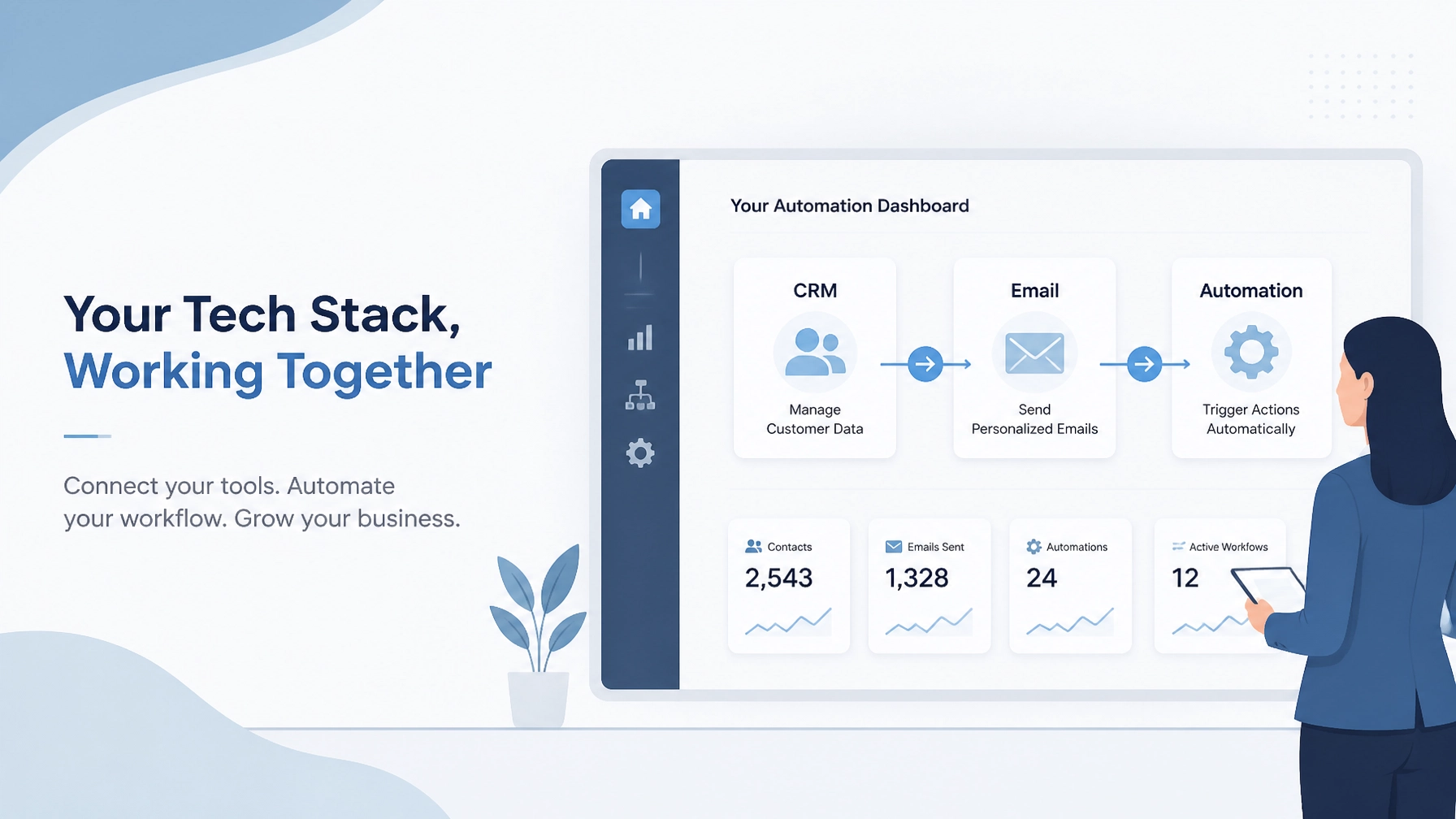
- Speed and Volume: An AI agent can process 1,000 emails, update 500 CRM records, and generate 200 personalized outreach messages in the time it takes a VA to finish their morning coffee.
- Cost Efficiency: Research shows AI agents are often 10x to 100x cheaper for routine tasks. While a quality VA might cost $1,500–$3,000 a month, an agent setup might only cost a fraction of that in API credits and platform fees.
- 24/7 Availability: Your startup doesn't stop at 5 PM. AI agents work through the night, ensuring that when you wake up, your pipeline is already updated and your leads are responded to.
The Scalability Factor
Scaling is about removing friction.
When you hire a VA, scaling means hiring more people. If one VA can handle 20 clients, you need five VAs to handle 100. That’s more interviews, more training, and more payroll management.
With AI agents, scaling is a matter of compute. If an agent handles 20 leads today, it can handle 2,000 tomorrow with a simple change in its instructions. For a startup looking to grow 10x without 10x-ing their overhead, the math favors the machine.
Cost vs. ROI: A Realistic Look
Let's talk numbers, because that’s what matters at the end of the quarter.
A typical VA arrangement involves a monthly retainer or an hourly rate. You are paying for time. If that person is sick, on holiday, or just having a slow day, your productivity dips.
With AI Agents, you are paying for outcomes. You invest in the initial setup and consulting to build the "brain" of the agent, and after that, the marginal cost of each task is near zero.
A startup that replaces three manual data-entry roles with one well-orchestrated AI agent can save upwards of $50,000 a year. That’s capital that can be reinvested into product development or aggressive marketing.

The Hybrid Model: The "Secret Sauce" of 2026
The most successful startups we work with at Nepatech Solutions aren't choosing one or the other. They are building a hybrid workforce.
They use AI Agents as the "engine room" of their business, handling the CRM updates, lead scraping, and initial outreach. They then use a Virtual Assistant as the "pilot," overseeing the agents, handling the edge cases, and stepping in when a human connection is needed.
This creates a "Micro AI-Powered Team."
Imagine this workflow:
- AI Agent monitors your inbox and identifies high-intent leads.
- AI Agent researches the lead and drafts a personalized reply in your CRM.
- Virtual Assistant reviews the draft, adds a personal touch, and hits "send."
- AI Agent follows up if there's no response after 3 days.
This allows your VA to do the work of five people because they aren't bogged down in the "busy work."
Which One Should You Choose?
If you are still on the fence, ask yourself these three questions:
- Is the task repetitive and data-heavy? If yes, go with an AI Agent.
- Does the task require empathy and personal judgment? If yes, go with a Virtual Assistant.
- Do you need to scale this 10x in the next six months? If yes, you need to lean heavily into AI Agents.
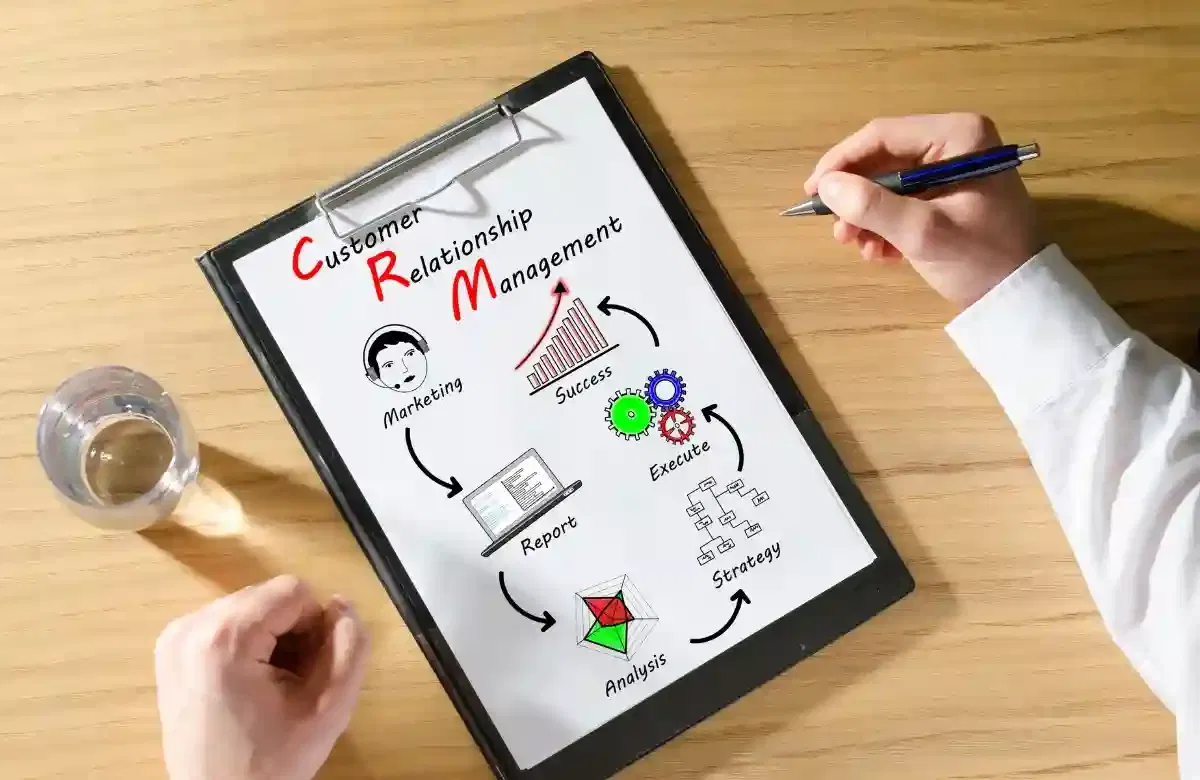
Most startups find that their biggest bottlenecks are actually CRM management and pipeline operations. These are precisely the areas where AI agents provide the highest ROI.

Focusing on the Bigger Picture
As a founder, your time is your most valuable asset. Every hour you spend explaining a basic task to a person or manually moving data between spreadsheets is an hour you aren't spending on strategy.
The "better" choice is whichever one gets you out of the weeds the fastest.
At Nepatech Solutions, we focus on helping startups build these autonomous systems so they can focus on growth. Whether it's setting up your first AI-driven sales agent or streamlining your remote operations, the goal is the same: making your business unstoppable.
If you’re ready to stop being the bottleneck in your own business, it’s time to look at how these technologies can work for you. You don’t need a bigger team; you need a smarter one.
Get a free quote today to see how we can help you integrate these tools into your workflow, or reach out to us to discuss a custom strategy for your startup.