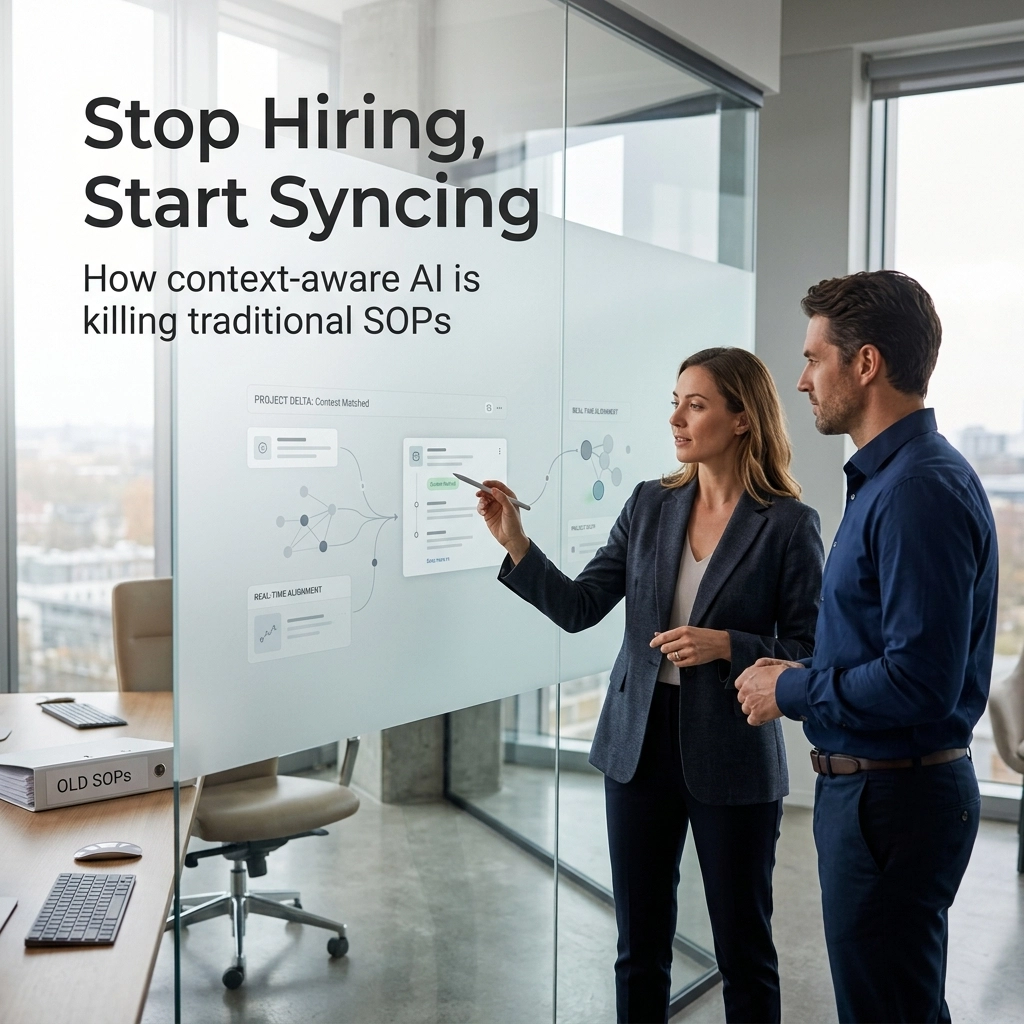
For decades, the "gold standard" of a scalable business was the Standard Operating Procedure (SOP). Founders were told to document every click, every email template, and every workflow into a massive PDF or Notion database. The logic was simple: build a manual so detailed that you could hire anyone, hand them the document, and the business would run itself.
But it’s 2026, and that logic is officially obsolete.
Traditional SOPs are where productivity goes to die. They are static, they are brittle, and they are outdated the moment you hit "save." For remote-first startups looking to scale in today's landscape, the answer isn't hiring more people to manage these documents. The answer is syncing your operations with context-aware AI.
The Problem: The High Cost of "Static" Documentation
In a traditional setup, creating an SOP is a labor-intensive project. You usually have to hire an Operations Manager or a Technical Writer to sit down, observe a process, and write it out. By the time that document is approved and distributed, your software stack has updated, your strategy has shifted, and the "standard" procedure no longer works.
This creates "Process Drift." Process drift is the gap between what your manual says and what your team actually does. When this gap grows, mistakes happen, lead conversion rates drop, and your team spends more time asking questions in Slack than actually working.
At Nepatech Solutions, we see this cycle daily. Startups hire more VAs just to maintain the documentation that is supposed to help them scale. It’s a circular drain on resources.
What is Context-Aware AI?
To understand why the SOP is dying, you have to understand the shift from "Instruction-Based" AI to "Context-Aware" AI.
Traditional automation (like basic Zapier sequences) follows instructions: If A happens, do B. It doesn't care why A happened or what the goal of B is. If the context changes: say, a customer sends an email with a slightly different intent: the automation breaks.
Context-aware AI agents are different. They don't just follow steps; they understand intent and real-time data. They sync with your CRM, your email threads, and your project management tools to understand the state of your business at any given second.

Instead of a 10-page document telling a human how to handle a lead, a context-aware agent looks at the lead's history, their recent LinkedIn activity, and your current sales goals. It then executes the "best next action" without needing a manual.
Stop Hiring for Rote Tasks
Many founders fall into the trap of hiring to solve a documentation problem. They think, "I need a VA to follow this specific process for lead follow-up."
The reality is that hiring a human to act like a robot is the most expensive way to run a business. Not only do you have the overhead of salary and management, but you also have the "human error" factor when the SOP is ignored.
When you shift to a "Syncing" mindset, you stop looking for people to fill gaps in your manual. Instead, you look for AI automation systems that can synchronize your data across platforms. This allows your lean team to focus on high-level strategy while the "Invisible Assistant" handles the execution.
Start Syncing: The New Operational Standard
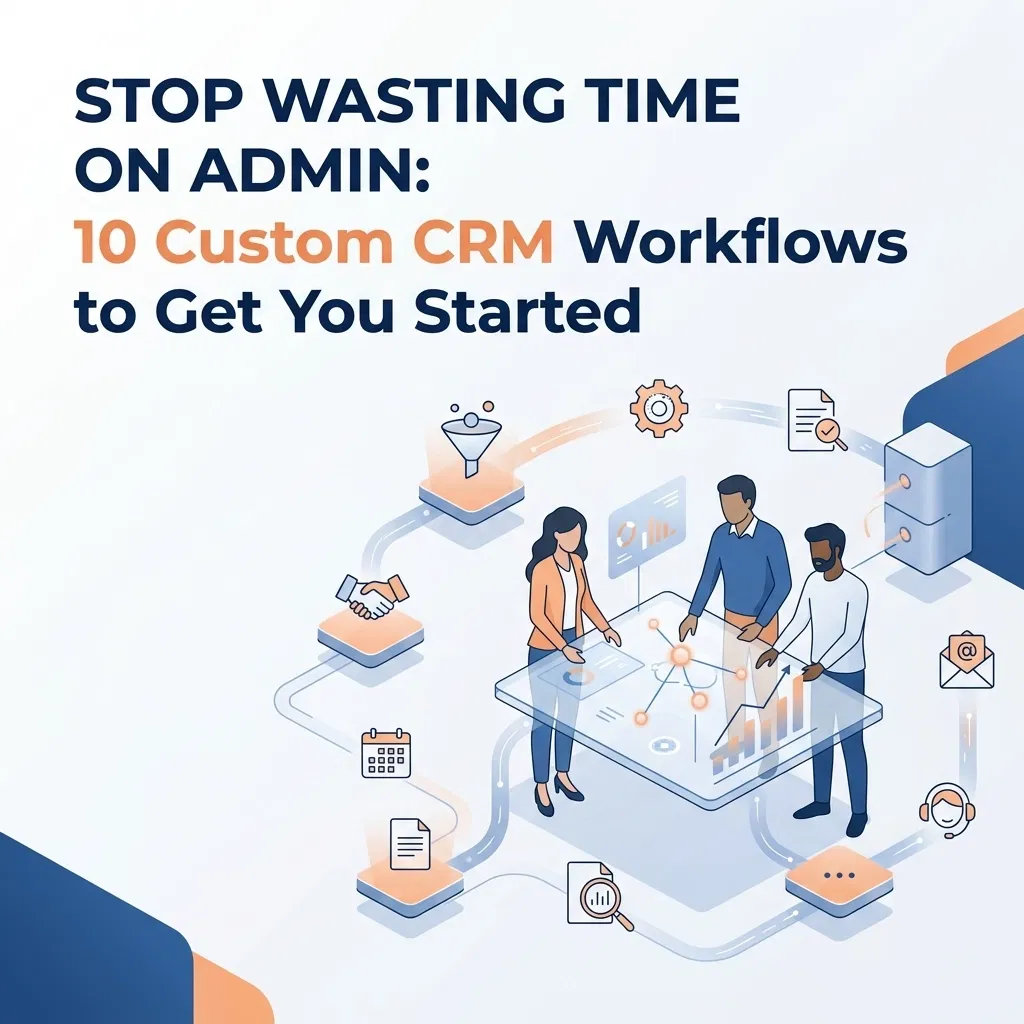
"Syncing" is the process of creating a unified data environment where AI agents can operate with full context. When your systems are synced, the "SOP" becomes the data itself.
1. Real-Time Workflow Capture
Tools like Scribe and MagicHow have already started the revolution by capturing workflows as they happen. In 2026, context-aware AI takes this further. It doesn't just record the screen; it understands the logic. It notices when a team member deviates from a path to solve a problem and asks, "Is this the new standard?"
2. Intent-Based Execution
In a synced business, you don't write an SOP for "How to handle a refund." You give the AI agent the intent: "Keep the customer happy while minimizing churn." The AI then uses real-time data from your CRM software and your accounting platform to decide whether to offer a credit, a discount, or a full refund.
3. Dynamic Updates
The biggest killer of traditional SOPs is maintenance. With context-aware AI, the system updates itself. If you change your pricing in Stripe, your AI agents across all communication channels "sync" to that new information instantly. There is no manual to update and no team-wide meeting to announce the change.
Why Remote-First Startups are Leading the Charge
Remote startups don't have the luxury of "shoulder-tapping." In a physical office, you can ask a colleague for help when the SOP is confusing. In a distributed team, if the documentation is wrong, the work stops.
This is why remote founders are the first to adopt context-aware systems. By leveraging virtual assistant services that focus on system management rather than manual execution, these companies are out-competing traditional firms with half the headcount.
For example, look at lead conversion. We know that following up within 5 minutes can double your conversion rate. A human following a manual might miss that window if they're in a meeting. A synced AI agent, aware of the lead's context and the current sales pipeline, can initiate that contact instantly with a personalized touch that feels human because it knows the history.
The Death of the PDF Manual
If your business still relies on a folder full of PDFs or a "Wiki" that hasn't been touched in three months, you are operating with a massive handicap.
The goal for 2026 isn't to have the best-documented business; it’s to have the best-synced business.
- Static SOPs: Require constant human oversight, fail when context changes, and create hiring bloat.
- Context-Aware Syncing: Evolves in real-time, understands intent, and allows for infinite scalability without increasing overhead.

How to Transition to a "Sync-First" Model
Moving away from traditional SOPs doesn't happen overnight, but the roadmap is clear.
- Audit Your Current "Manual" Tasks: Identify which processes are currently being handled by humans purely because "that's how we've always done it."
- Integrate Your Data Silos: AI can only be context-aware if it has access to the context. Ensure your CRM, email, and project management tools are speaking to each other.
- Deploy Intent-Based Agents: Start replacing step-by-step automations with agents that focus on outcomes.
- Partner with Experts: Building these systems requires a blend of tech consulting and operational strategy.
At Nepatech Solutions, we specialize in helping businesses make this jump. We don't just give you a list of tools; we help you build the "Invisible Assistant" that makes manual documentation obsolete.
The Bottom Line
The era of hiring people to manage documents is over. The "Standard Operating Procedure" is no longer a document: it is a live, breathing data sync that powers your entire company.
If you want to stop the cycle of hiring and start the cycle of scaling, it’s time to look at your digital business support through a new lens. The best systems are the ones your team never has to read about because they simply work in the background.
Are you ready to kill your SOPs and start syncing?

Explore how we can help you automate your operations: