The old way of hiring a virtual assistant is dead. You know the drill: you hire someone, spend weeks training them on your specific "way of doing things," and then spend several more hours every week delegating manual tasks. It’s better than doing it yourself, but it’s still a massive drain on your mental bandwidth.
Then AI happened. Suddenly, everyone thought they could just replace their VA with a ChatGPT subscription and a few Chrome extensions. But they quickly realized that AI lacks the one thing a growing startup needs most: context.
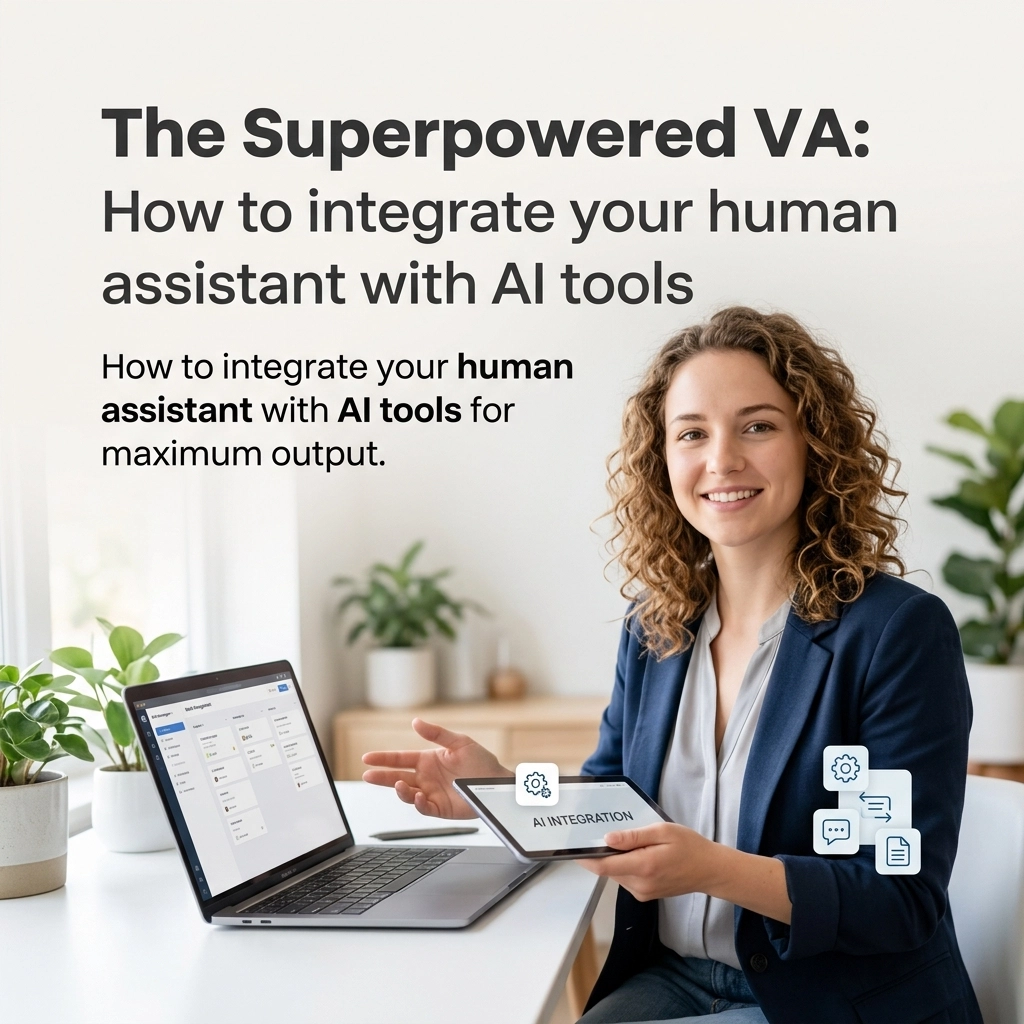
The future isn't AI replacing humans. It’s humans using AI to become ten times more effective. At Nepatech Solutions, we call this the Superpowered VA. It’s the perfect blend of a human’s nuanced judgment and AI’s raw processing speed.
If you’re a founder looking to scale, you don't need more people. You need better systems. Here is how you can integrate your human assistant with AI tools to create a remote operational support system that actually moves the needle.
The Hybrid Model: Why You Need Both
Let’s be real: AI is amazing at generating 100 variations of a social media post in three seconds. But it’s terrible at knowing which one will actually resonate with your biggest client, "Steve," because it doesn't know Steve.
A human virtual assistant knows Steve. They know your brand’s voice, your pet peeves, and your long-term vision. When you give a human assistant a tool like Claude or ChatGPT, they aren't just "outsourcing" their job; they are using it as a force multiplier.
The Superpowered VA uses AI for the "heavy lifting" (data entry, drafting, research) and saves their brainpower for the "finishing touches" (strategy, relationship building, and quality control). This is why UK startups are hiring virtual assistants who are tech-literate rather than just "good at admin."

The Superpowered Toolkit
To build this hybrid workflow, your VA needs the right stack. We aren't just talking about a calendar and an email inbox. We’re talking about an integrated ecosystem.
1. The Brain: ChatGPT & Claude
Your VA should be using LLMs (Large Language Models) to draft everything. Emails, blog posts, reports, and meeting summaries should all start with an AI draft. The VA’s job shifts from "writer" to "editor-in-chief." This reduces the time spent on a single task from 60 minutes to 10 minutes.
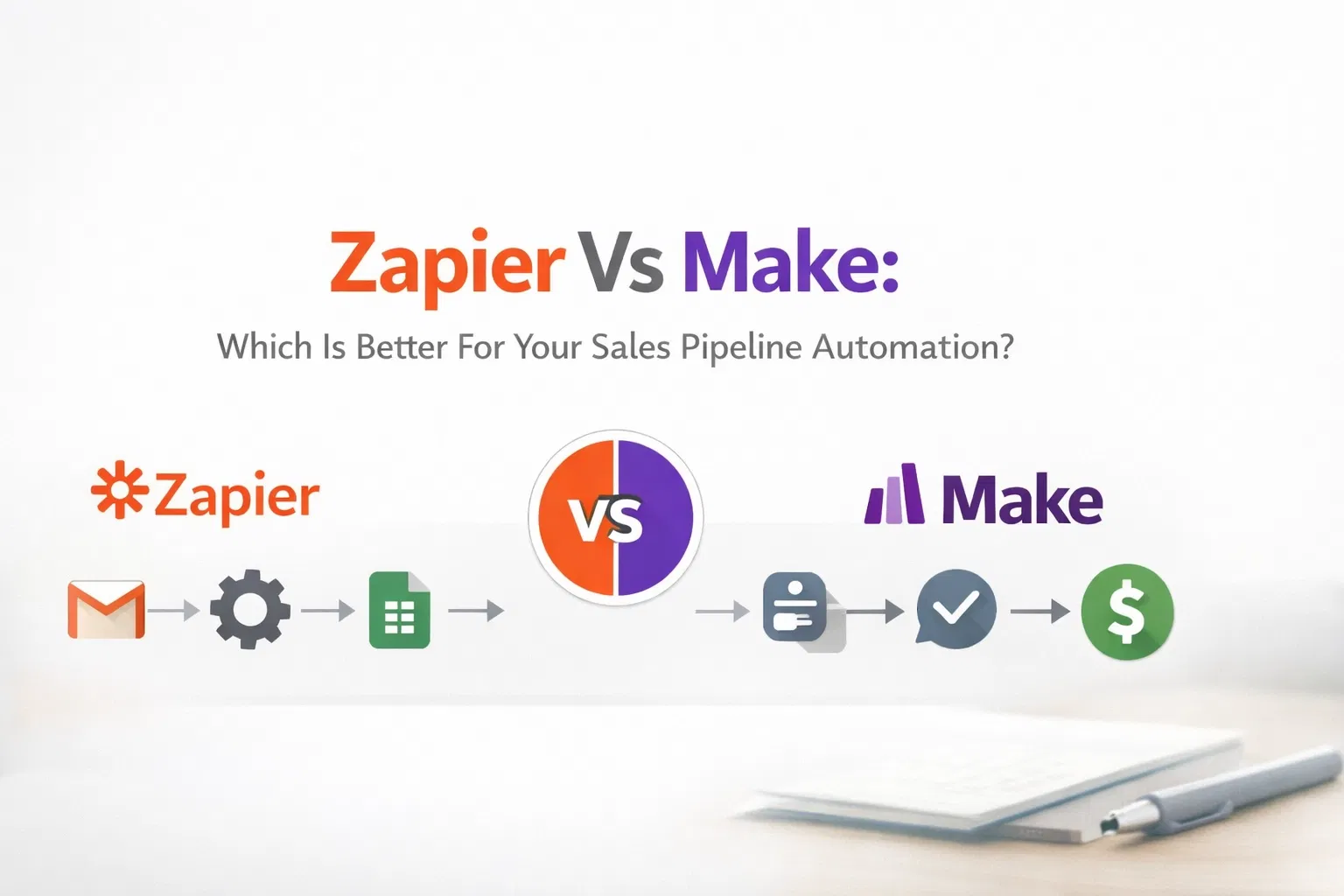
2. The Glue: Zapier or Make
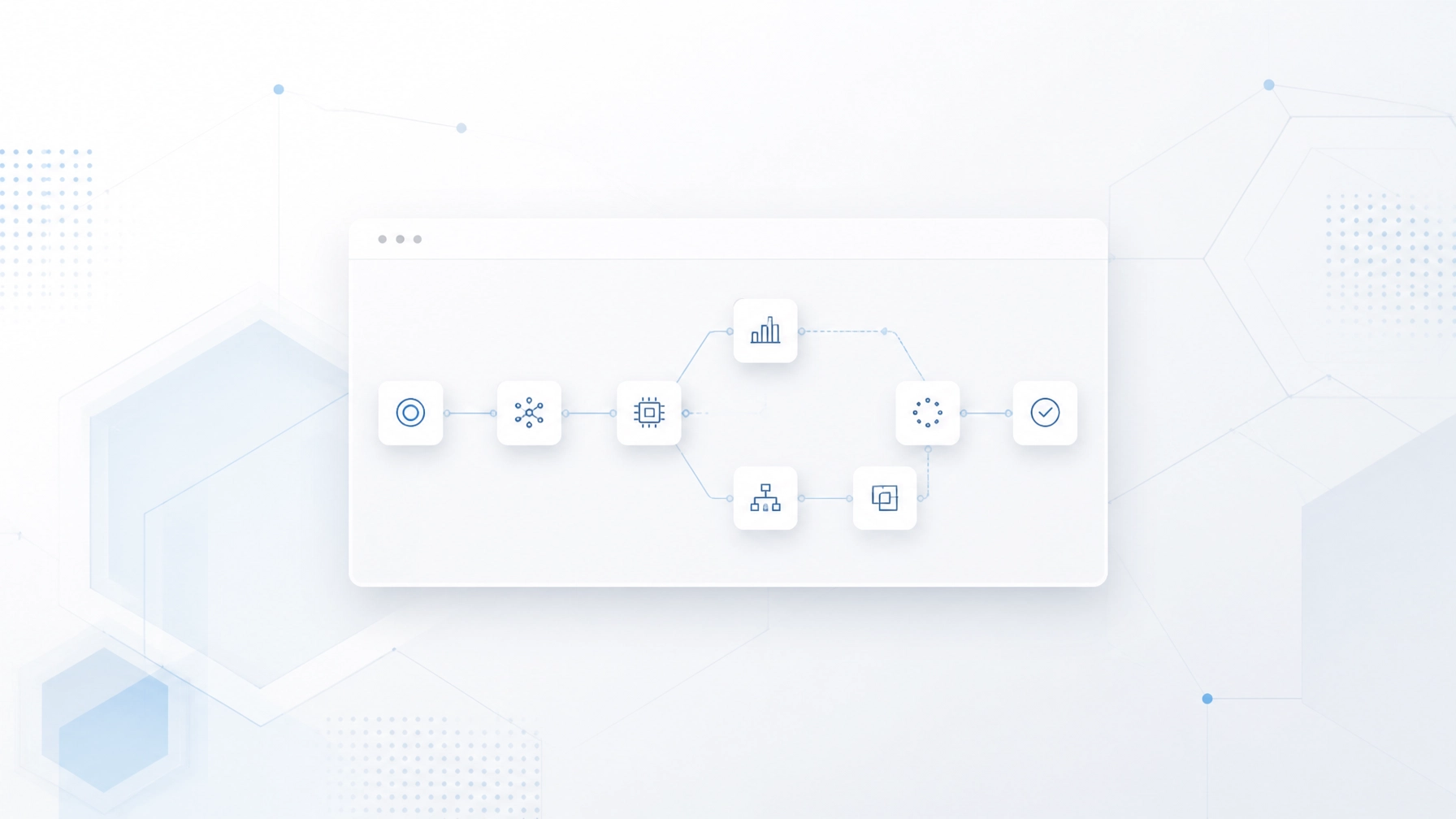
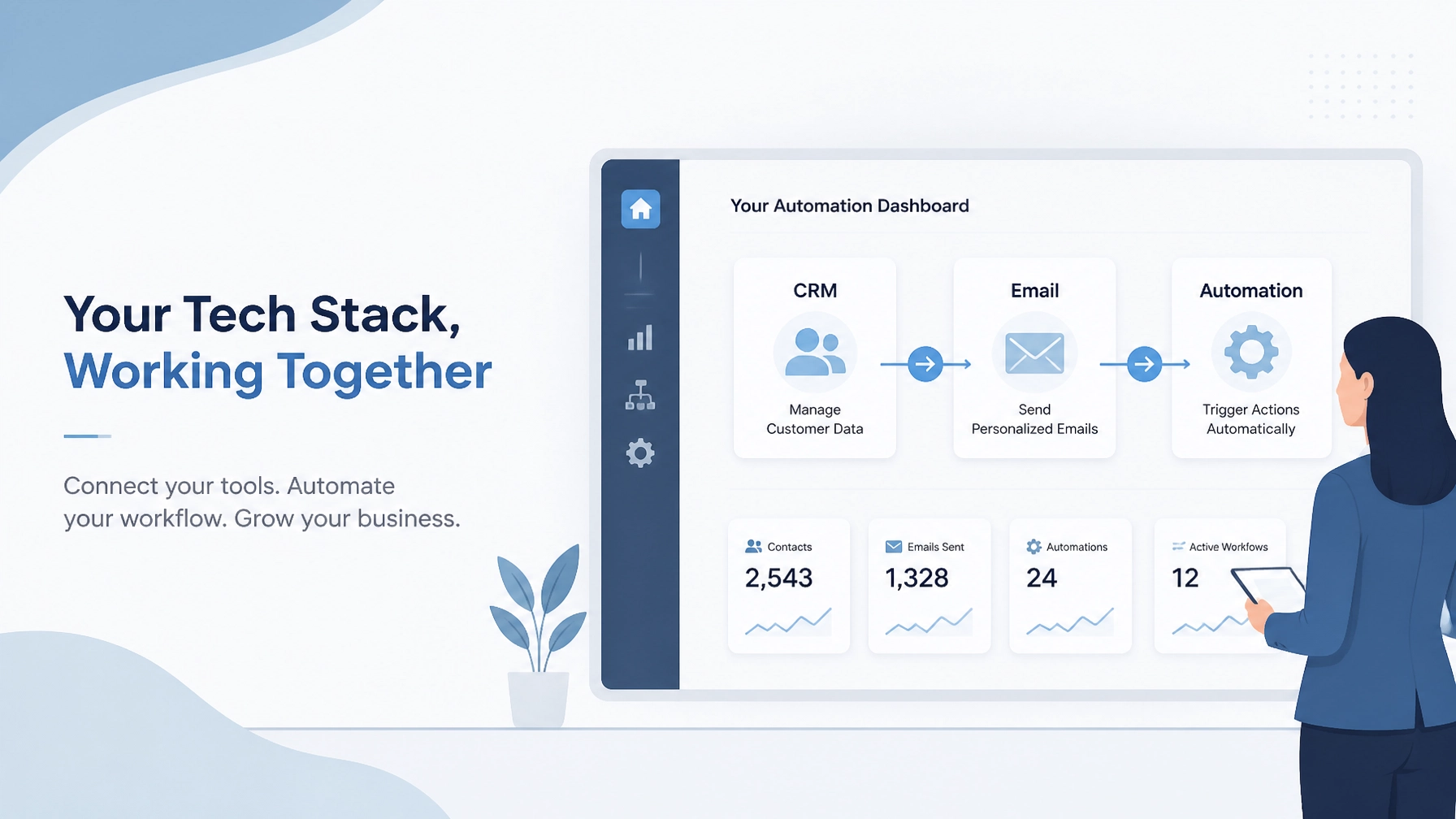
This is where the real magic happens. Automation tools allow your VA to create "set and forget" workflows. For example, when a lead fills out a form on your site, Zapier can automatically send the data to your CRM, alert your VA in Slack, and draft a personalized follow-up email based on the lead’s industry.
If you want to see how this looks in practice, check out our guide on automation for startups.
3. The Organizer: Notion or ClickUp
Stop using messy Google Docs for your SOPs (Standard Operating Procedures). A Superpowered VA uses a centralized hub where AI can help summarize project statuses and track deadlines.
Strategy #1: Content and Research
One of the biggest time-sinks for founders is content creation. Whether it’s LinkedIn posts or internal reports, it takes forever.
A Superpowered VA uses AI to synthesize information. Instead of your VA spending three hours researching competitors, they can use an AI tool to scrape the web and summarize the top three trends in your industry.
The VA then adds the "human layer": they explain why these trends matter to your specific business goals. This turns a simple research task into a strategic asset. If you’re wondering if you really need a virtual assistant, consider the value of getting five hours of your week back just by offloading this high-level research.
Strategy #2: CRM and Lead Management
Your CRM shouldn't be a graveyard of dead leads. Most founders struggle with CRM because they don't have the time to keep it clean.
A human assistant can use AI to automate the boring parts of lead management. They can set up workflows that categorize leads based on their activity. If a lead clicks a link in your newsletter, the AI flags it, and the VA sends a personalized (human) message.
We’ve seen that following up within 5 minutes can double your conversion rate. AI handles the 5-minute alert and the draft; your VA handles the final click and the relationship.

Strategy #3: Building the "Living" SOP
The biggest risk in any startup is "founder-dependency." If everything is in your head, you can’t scale.
Traditionally, VAs wrote static SOPs that became outdated the moment a software updated. A Superpowered VA uses AI to create "Living SOPs." They use screen recording tools that automatically generate step-by-step written instructions from a video.
This makes it incredibly easy to hand off tasks. When your VA has the right systems in place, your business becomes a machine that runs whether you are at your desk or not.
How to Start Integrating AI into Your VA Workflow
If you already have a VA, or if you’re looking to hire one, here is the roadmap to "superpowering" them:
- Audit the Repetitive: Ask your VA to list every task they do more than twice a week. These are your prime candidates for AI integration.
- Prompt Engineering: Don't just tell your VA to "use ChatGPT." Give them a library of prompts that reflect your brand’s voice and business goals.
- Encourage Experimentation: Give your VA a small "AI budget" ($20-$50/month) to try new tools. The ROI on a tool that saves them 5 hours a week is astronomical.
- Focus on Quality Control: Make it clear that while AI drafts the work, the VA is responsible for the final output. The "human in the loop" is the most important part of the equation.

The Result: Maximum Output, Minimum Overhead
The goal of remote operational support isn't just to save money: it’s to create capacity. When your VA is superpowered by AI, they can handle the workload of three traditional assistants.
This allows you, the founder, to stop playing "Chief Admin Officer" and start being the CEO again. You get to focus on the big ideas, the major deals, and the long-term vision.
At Nepatech Solutions, we specialize in helping founders build these exact systems. Whether you need a CRM setup or a more robust AI automation strategy, we bridge the gap between human talent and technical efficiency.
Stop hiring people to do tasks. Start building a system that delivers results. If you’re ready to scale without the burnout, it’s time to upgrade to a Superpowered VA.
Ready to see how this works for your specific business? Let’s chat. We can help you identify the "low-hanging fruit" in your operations and get your team running at 10x speed.